Planning a trip to Japan is an exciting endeavor that opens the door to ancient temples, vibrant cities, and culinary experiences unlike anything else in the world. However, one of the most important decisions you’ll make before booking your flight is choosing between a structured group tour experience or designing a custom Japan itinerary tailored specifically to your preferences. Both options offer distinct advantages, and understanding the differences will help you determine which approach aligns best with your travel style, budget, and goals.
Japan Group Tours
Japan group tours have become increasingly popular among travelers seeking a hassle-free way to explore this fascinating destination. Small group Japan tours typically range from ten to thirty participants, allowing you to meet fellow travelers while maintaining a sense of intimacy during your journey. These organized experiences handle all the logistics: accommodations, transportation, guided visits to major attractions, and many meals are pre-arranged and included in your package price.
The structure of group tours provides significant peace of mind, especially for first-time visitors to Japan. Your Japan travel agency partner takes responsibility for booking hotels in convenient locations, arranging transportation via bullet trains and coaches, and securing entry to popular temples and gardens during peak seasons. This eliminates the stress of navigating unfamiliar train systems or worrying whether you can actually access must-see attractions.
Another compelling advantage of group tours is the cost efficiency. Because tour operators negotiate rates with hotels, restaurants, and attractions in bulk, they can often provide better pricing than independent travelers. If you’re traveling solo, joining a group tour becomes even more economical since you’re not paying single-supplement fees on accommodations. Additionally, guides employed by professional tour companies provide contextualized information about local history, customs, and culture that enriches your understanding of what you’re experiencing.
The social aspect cannot be overlooked either. Many travelers cherish the friendships they develop with fellow group members and the shared memories created during their time together. Group tours often include group dinners and activities that foster camaraderie among participants.
The Appeal of Custom Travel Experiences
Custom travel represents the opposite end of the spectrum, offering complete autonomy in designing your Japan vacation planning services. With this approach, you work with a Japan travel agency or independently plan every aspect of your journey, from flight times to restaurant reservations to the exact moment you visit each destination.
The primary advantage of custom travel is flexibility. If you’re not a morning person, you don’t have to catch a 6:00 AM bus to visit temples. If you discover a neighborhood that captivates you, you can spend an extra day exploring instead of moving on to the next scheduled stop. Custom itineraries allow you to travel at your own pace, linger in places that resonate with you, and skip attractions that don’t interest you.
Customization also enables you to pursue specific interests with depth. Perhaps you’re passionate about contemporary art, traditional ceramics, anime culture, or Buddhist philosophy. A custom itinerary can be structured around these passions, incorporating specialist museums, workshops, and experiences that group tours might overlook in their attempt to appeal to diverse participant interests.
Additionally, custom travel offers enhanced privacy. You’re not sharing your hotel room with a stranger, and you have the freedom to dine wherever you choose, whenever you want. For introverts or families preferring to spend quality time together without external social obligations, this autonomy is invaluable.
Cost Considerations and Budget Planning
When comparing the financial aspects of both options, the calculation isn’t straightforward. Group tours often advertise lower per-person costs, but this figure includes specific amenities and services. Your actual expenses depend on what you value in a travel experience.
Group tours typically include accommodations, many meals, transportation, and guided tours in their package price. You’ll still need to budget for personal expenses, optional activities not included in the package, and tips for guides. For a ten-day Japan group tour, expect to pay anywhere from two thousand to five thousand dollars per person, depending on the quality level and season.
Custom travel requires you to arrange and pay for each component separately. This can actually work in your favor if you’re budget-conscious, as you can choose more economical accommodations, eat at local restaurants rather than tour-company-approved establishments, and use public transportation rather than private coaches. However, without the negotiating power of a tour operator, individual bookings sometimes cost more. Budget roughly three thousand to six thousand dollars for a comparable ten-day custom itinerary, though this varies widely based on your comfort preferences and spending habits.
Time and Convenience Factors
Group tours demand that you conform to a predetermined schedule. Tour operators carefully plan daily activities, departure times, and rest periods. If the group is visiting Kyoto temples from 8:00 AM to 6:00 PM, that’s your schedule, regardless of personal preferences. This structure eliminates decision-making fatigue but can feel restrictive to some travelers.
Custom travel requires you to make countless decisions: which train to take, which restaurant to book, how long to stay in each city, and which sites warrant your limited time and energy. This planning process can be exciting for some travelers but overwhelming for others, particularly those unfamiliar with Japan.
Practical Considerations for Different Traveler Types
First-time visitors with limited Japanese language skills often find group tours advantageous. The language barrier becomes less problematic when a professional guide handles interactions with hotel staff, restaurant servers, and attraction attendants. Small group Japan tours provide an educational introduction to the country that builds confidence for future independent travel.
Experienced travelers or those with specific interests in mind typically prefer custom itineraries. If you’ve visited Japan before or have extensive travel experience elsewhere, you likely possess the skills and confidence to navigate independently. Your knowledge of what you actually enjoy in a destination makes designing a custom Japan itinerary a rewarding experience.
Families with young children might appreciate the structured nature of group tours, which eliminates the need to manage logistics while supervising children. Conversely, families wanting flexibility in pacing and activity timing may find custom travel more suitable.
Solo travelers present an interesting case. Group tours offer built-in companionship and security, particularly valuable for those traveling alone internationally. However, custom travel provides the independence many solo travelers seek. Many solo travelers choose a hybrid approach, booking a few days of a group tour for the social aspect and orientation, then traveling independently for the remainder of their trip.
Making Your Decision
To determine whether Japan group tours or a custom Japan itinerary suits you best, honestly assess your travel priorities. Do you value efficiency and pre-planned structure, or do you prioritize flexibility and spontaneity? Are you comfortable navigating independently, or would professional guidance reduce your anxiety? What’s your budget, and what specific experiences matter most to you?
Consider also the timing of your trip. If you’re traveling during peak seasons like cherry blossom season in spring or autumn foliage season, group tours may be your best option for securing accommodations and popular attraction access. During off-seasons, custom travel becomes more feasible and economical.
Conclusion
Both group tours and custom travel offer rewarding ways to experience Japan. Group tours provide structure, affordability, and social experiences that suit many travelers, while custom itineraries offer flexibility and personalization that others prefer. Your ideal choice depends on your travel style, experience level, budget, and the specific experiences you’re seeking. Consider a hybrid approach if you’re uncertain, or consult with a Japan travel agency to help align your options with your priorities.
Need a Travel Planner Near You?
Here at Create Memories Thru Travel LLC, we are passionate about turning your travel dreams into unforgettable realities, and we’d love to help you start planning your next adventure! Whether you’re craving a meticulously curated packaged tour or a fully customized vacation tailored to your unique needs and desires, we’ve got you covered. Let us handle the details, from finding the perfect destinations to creating seamless itineraries, so you can focus on enjoying the journey. Reach out to us today and let’s start crafting the trip of a lifetime together!
Japan offers travelers an extraordinary blend of ancient tradition and cutting-edge modernity. Whether you are planning your first Japan travel planning adventure or returning to explore new regions, understanding the basics will transform your experience. This guide covers essential information for Tokyo and Kyoto itineraries, highlights the benefits of guided Japan tours, and explains how custom Japan vacation packages can enhance your journey.
Getting Started with Japan Travel Planning
Before booking your flight, invest time in learning about Japan. The country welcomes millions of visitors annually, and understanding its culture, customs, and geography will prepare you for a meaningful trip. Japan travel planning should begin three to six months before your intended departure date, allowing time to secure flights, accommodations, and any necessary visas.
Most travelers from Western countries need only a valid passport for stays under ninety days. Japan’s official language is Japanese, but major cities like Tokyo feature extensive English signage and many younger residents speak English. Download a translation app before departure and carry a pocket phrasebook for emergencies.
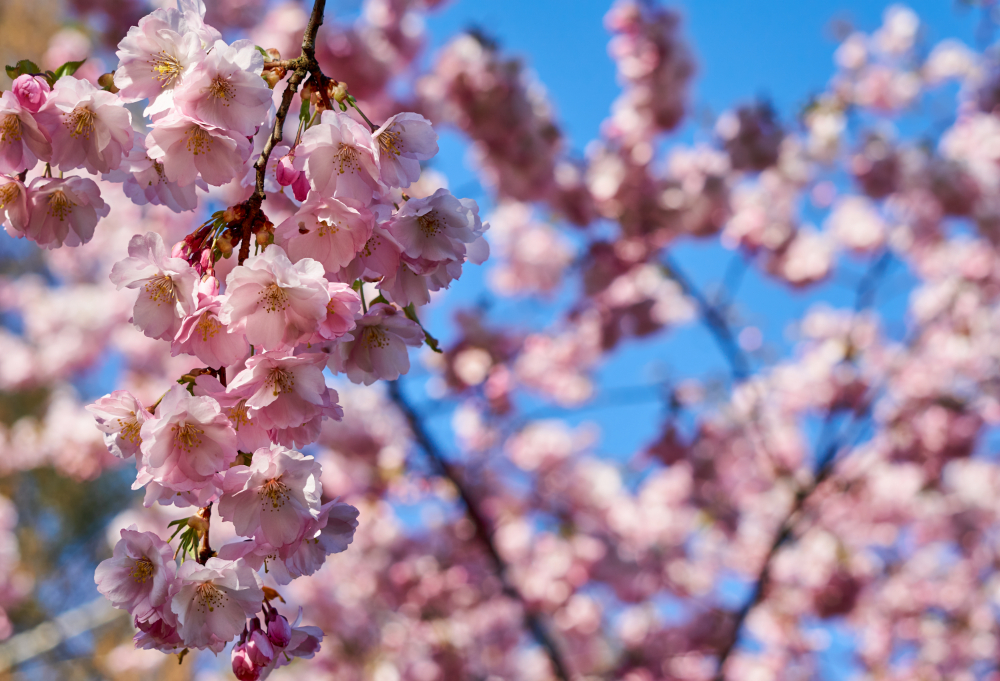
Consider the seasons carefully when planning. Spring (March to May) brings cherry blossom festivals and mild temperatures, making it peak tourist season. Autumn (September to November) offers comfortable weather and fall foliage. Summer can be humid and hot, while winter is mild in most regions but cold in northern areas.
Navigating Tokyo and Kyoto Itineraries
Tokyo and Kyoto represent two sides of Japan: the bustling capital and the ancient heart. A Tokyo and Kyoto itinerary typically spans ten to fourteen days, though first-time visitors might spend five to seven days exploring each city.
Tokyo demands at least five days to experience properly. Visit the historic Senso-ji Temple in Asakusa, explore the upscale Ginza shopping district, and experience the organized chaos of Shibuya Crossing. The Imperial Palace East Gardens offer peaceful respite, while the Meiji Shrine provides spiritual atmosphere. Take a day trip to Mount Fuji via Hakone or visit the golden pavilion temples in nearby areas.
Kyoto preserves Japan’s historical essence with over two thousand temples and shrines. Spend time wandering the geisha district of Gion, exploring the thousands of vermillion torii gates at Fushimi Inari Shrine, and visiting the Golden Pavilion (Kinkaku-ji). The Philosopher’s Walk, a peaceful canal-side path, showcases Kyoto’s serene character. Consider staying in a traditional ryokan (Japanese inn) to experience authentic hospitality and cuisine.
The train journey between Tokyo and Kyoto takes approximately two hours via the Shinkansen (bullet train), one of Japan’s greatest innovations. Booking a Japan Rail Pass in advance provides excellent value for multiple intercity journeys.
Choosing Guided Japan Tours for Enhanced Experiences
While independent travel works well in Japan, guided Japan tours offer significant advantages. Professional guides provide historical context, cultural insights, and logistical expertise that enhance understanding and reduce stress.
Guided tours excel at navigating complex temple histories, explaining Buddhist and Shinto practices, and sharing personal anecdotes about daily Japanese life. A knowledgeable guide transforms a temple visit from checking off a checklist to understanding centuries of artistic and spiritual traditions. Tours also manage transportation logistics, securing priority entry to popular attractions, and handling reservations at restaurants difficult for foreign travelers to access.
Tour companies offer specialized itineraries focusing on specific interests: culinary tours exploring regional cuisine, art history tours visiting world-class museums, or spiritual journeys visiting Buddhist temples. Group tours provide social experiences and shared cost savings, while private tours offer flexibility and personalized attention.
Consider a guided tour lasting seven to ten days as the ideal balance between structure and exploration. Quality tour operators include cultural training before departure, small group sizes that permit meaningful interaction, and accommodations ranging from business hotels to luxurious properties.
Custom Japan Vacation Packages: Tailoring Your Experience
Custom Japan vacation packages allow you to design journeys matching your interests, budget, and pace. Rather than following a set itinerary, travel advisors work with you to create personalized experiences.
Perhaps you are passionate about traditional arts. A custom package might include calligraphy lessons in Kyoto, visits to traditional theater performances, and meetings with local artisans. If food excites you, your Japan travel advisor can arrange cooking classes, visits to Tsukiji Fish Market, and multi-course kaiseki dinners at Michelin-starred restaurants.
Custom packages address practical concerns like accessibility, dietary restrictions, and family needs. Traveling with children requires different pacing than adult-only groups. Someone with mobility challenges needs properties with elevator access and shorter walking distances. A Japan travel advisor understands these nuances and designs accordingly.
Budget flexibility matters too. Custom Japan vacation packages range from budget-conscious ($100-150 daily) to luxury experiences ($500+ daily). Your advisor helps allocate resources across flights, accommodations, dining, and activities based on your priorities.
The personalization extends beyond activities to logistics and timing. Want to avoid crowds at Fushimi Inari? Your advisor schedules an early morning visit. Interested in experiencing a traditional matsuri festival? They build your itinerary around specific dates. Prefer slower travel with deep dives into fewer locations? Custom packages can focus on two cities with extensive exploration rather than rushing through five.
Beyond Tokyo and Kyoto: Exploring Japan’s Diverse Regions
Japan extends far beyond its two most famous cities. A comprehensive Japan travel planning approach includes time for other regions that reveal different facets of Japanese culture.
Hiroshima offers profound historical and spiritual significance. The Peace Memorial Park and Museum provide meaningful context about World War II and nuclear history. The nearby island of Miyajima features the iconic floating torii gate of Itsukushima Shrine, one of Japan’s most photographed landmarks.
Osaka serves as a vibrant counterpoint to Kyoto’s serenity. Known as Japan’s kitchen, Osaka offers street food culture, bustling markets, and castle ruins. The city provides excellent access to the Kii Peninsula, where mountain temples and pilgrimage routes offer spiritual experiences.
The Japanese Alps (Nagano and Gifu prefectures) showcase alpine scenery, traditional villages like Takayama and Shirakawa-go, and excellent hiking. Visitors traveling in winter can access world-class ski resorts.
For beach lovers, Okinawa in the south offers tropical climates, different cultural traditions reflecting Ryukyu Kingdom heritage, and water activities impossible in mainland Japan.
A Japan travel advisor can incorporate these regions into your itinerary, helping determine which destinations match your interests and available time. Even two-week trips can realistically visit three to four destinations by utilizing efficient train travel.
Conclusion
Japan travel planning rewards those who prepare thoughtfully. Understanding the basics of culture and logistics, crafting a Tokyo and Kyoto itinerary as your foundation, considering guided Japan tours for their expertise and convenience, and exploring custom Japan vacation packages that reflect your unique interests will create an unforgettable experience. Japan’s combination of ancient temples and futuristic technology, bustling cities and peaceful gardens, local neighborhoods and world-famous landmarks ensures that every visitor discovers something transformative. Begin your planning today, and let Japan reveal its many wonders.
Need a Travel Planner Near You?
Here at Create Memories Thru Travel LLC, we are passionate about turning your travel dreams into unforgettable realities, and we’d love to help you start planning your next adventure! Whether you’re craving a meticulously curated packaged tour or a fully customized vacation tailored to your unique needs and desires, we’ve got you covered. Let us handle the details, from finding the perfect destinations to creating seamless itineraries, so you can focus on enjoying the journey. Reach out to us today and let’s start crafting the trip of a lifetime together!
China stands as one of the world’s most captivating destinations for luxury travelers seeking unforgettable experiences. From the iconic Great Wall to serene temples and bustling metropolises, this ancient civilization offers a perfect blend of historical grandeur and modern sophistication. Planning luxury China tours requires careful consideration of timing, destinations, and experiences that will transform your journey into something truly extraordinary.
Planning Your Beijing Travel Itinerary
Beijing, the capital of China, deserves at least four to five days in any comprehensive Beijing travel itinerary. This sprawling city seamlessly blends imperial heritage with contemporary innovation, making it an essential first stop for luxury travelers. Start your experience at the Forbidden City, where you can explore 980 buildings spanning nearly 600 years of Chinese history. For the ultimate luxury experience, arrange private guided tours that grant early morning access before crowds arrive, allowing you to appreciate the intricate architectural details in peaceful surroundings.
The Great Wall stands as China’s most iconic landmark, and experiencing it in luxury means avoiding the crowded Badaling section. Instead, consider less-traveled sections like Jinshanling or Simatai, where expert guides can share fascinating historical narratives while you walk along this ancient structure. Many luxury travel operators offer private helicopter tours of the Wall, providing breathtaking aerial perspectives that few tourists ever experience. After your Wall adventure, retreat to a luxury hotel featuring traditional Chinese design with modern amenities, where you can relax in spa facilities inspired by ancient wellness traditions.
Your Beijing travel itinerary should include the Summer Palace, a stunning imperial garden complex reflecting centuries of landscape design philosophy. Time your visit for late afternoon light, which bathes the marble bridges and traditional pavilions in golden hues perfect for photography. Don’t miss the Temple of Heaven, where emperors once performed sacred rituals, and arrange for a private archaeological guide who can explain the symbolism embedded in every architectural element. Conclude your Beijing experience with a private Peking duck dinner in an upscale restaurant where chefs prepare this delicacy tableside using techniques passed down through generations.
Discovering Shanghai’s Modern Luxury
Shanghai represents the cutting edge of modern China, and Shanghai guided tours should showcase both its contemporary excellence and historical significance. The Bund district exemplifies the city’s fusion of old and new, featuring restored colonial architecture alongside gleaming skyscrapers. Book a private guide who can reveal the stories behind each building, from the legendary Shanghai Peace Hotel to the historic customs house that once served the British Empire. Many luxury travelers prefer sunset walks along the Bund, followed by cocktails at high-altitude bars offering panoramic views of the Huangpu River.
The Yu Garden complex demonstrates classical Chinese landscape design principles developed over centuries. Unlike generic tours, luxury Shanghai guided tours should include private time to fully absorb the meticulously crafted gardens, where every rock, water feature, and pavilion follows ancient feng shui principles. Arrange for traditional tea ceremonies in historic teahouses where elegant servers explain the preparation methods and health benefits of various tea varieties from across China’s provinces.
For shopping, venture beyond typical tourist markets to exclusive boutiques in the Jing’an District where international luxury brands share space with emerging Chinese designers. Your luxury travel concierge can arrange personal shopping appointments with stylists who understand your preferences and can guide you toward pieces that embody both craftsmanship and contemporary design. Don’t overlook Shanghai’s world-class dining scene, where Michelin-starred restaurants offer innovative interpretations of regional cuisines alongside international culinary excellence.
Exploring China Vacation Packages Beyond the Major Cities
While Beijing and Shanghai dominate many China vacation packages, the country’s true magic emerges in less-visited regions that reward curious travelers with authentic cultural encounters. Xi’an deserves several days for exploring the Terracotta Army, one of archaeology’s greatest discoveries. Private guides can explain the historical context surrounding Emperor Qin’s need for an afterlife protection force, while scholars can discuss the restoration techniques used to preserve these 2,000-year-old warriors.
Consider extending your journey to Guilin and Yangshuo, where limestone karst mountains create landscapes that inspired centuries of Chinese artists and poets. Luxury cruise options along the Li River provide intimate perspectives of traditional cormorant fishing villages where fishermen still practice ancient techniques. These experiences embody the essence of authentic China vacation packages that prioritize meaningful engagement over superficial tourism.
The Yangtze River cruises represent another exceptional component of comprehensive China vacation packages. Unlike crowded commercial vessels, luxury cruise lines offer butler service, fine dining, and expert naturalists who provide context for the dramatic Three Gorges scenery. Shore excursions include private visits to remote temples, where monks offer insights into Buddhist philosophy, and meetings with artisan communities maintaining thousand-year-old crafts.
Custom China Travel Planning for Your Unique Preferences
Every traveler possesses distinct interests and preferences, making custom China travel planning essential for creating truly personalized experiences. Professional travel planners specializing in Chinese destinations can design itineraries balancing major attractions with hidden cultural gems that align perfectly with your specific interests. Whether you’re passionate about Chinese art, culinary traditions, martial arts heritage, or spiritual practices, custom travel planning ensures every moment serves your personal vision.
The timing of your journey significantly impacts your experience. Spring and autumn offer ideal weather for extensive sightseeing, while winter travel provides advantages including smaller crowds and lower prices at luxury accommodations. Luxury travel advisors can coordinate every detail, from securing rare private museum access to arranging one-on-one sessions with calligraphy masters or cooking classes in family kitchens. They can also facilitate meaningful cultural exchanges, such as meetings with contemporary Chinese artists in their studios or visits to traditional medicine practitioners who explain holistic health philosophies.
Consider incorporating wellness retreats into your custom China travel planning, combining cultural exploration with rejuvenation. Luxury mountain resorts near sacred peaks like Mount Wudang offer tai chi instruction, herbal remedies, and meditation practices designed for deep restoration. These experiences transform your journey from a typical vacation into a transformative personal odyssey that enriches your understanding of Chinese civilization.
Maximizing Luxury and Comfort During Your China Journey
Luxury travel in China extends far beyond accommodations, though selecting the right hotels forms a crucial foundation. Choose properties operated by leading international hospitality brands that understand Western travelers’ expectations while maintaining authentic Chinese design elements. Many luxury hotels offer personalized concierge services, in-room spa treatments, and private chef services that cater to your dietary preferences and culinary interests.
Transportation significantly influences your travel experience, and luxury options justify the investment. Private car services with English-speaking drivers allow you to explore at your own pace while enjoying comfort and safety. For longer distances, first-class train travel offers an authentic perspective on contemporary Chinese society, and luxury providers can arrange private compartments with excellent meals and attentive service.
Budget considerations should reflect the value of time and experience quality. Premium pricing for expert guides translates into deeper knowledge and exclusive access to special locations and cultural practitioners. The investment in luxury accommodations provides not just physical comfort but also the mental peace that allows you to fully absorb extraordinary cultural experiences rather than managing logistical stress.
Conclusion
Luxury China tours represent some of the world’s most rewarding travel experiences, offering perfect combinations of historical significance, cultural richness, and modern sophistication. Whether you’re following a carefully planned Beijing travel itinerary, exploring Shanghai guided tours, or embracing broader China vacation packages that span multiple regions, this remarkable destination transforms perspectives and creates lasting memories. By investing in custom China travel planning that prioritizes your unique interests and preferences, you’ll return home with not just photographs and souvenirs, but genuine understanding and profound appreciation for one of humanity’s greatest civilizations.
Need a Travel Planner Near You?
Here at Create Memories Thru Travel LLC, we are passionate about turning your travel dreams into unforgettable realities, and we’d love to help you start planning your next adventure! Whether you’re craving a meticulously curated packaged tour or a fully customized vacation tailored to your unique needs and desires, we’ve got you covered. Let us handle the details, from finding the perfect destinations to creating seamless itineraries, so you can focus on enjoying the journey. Reach out to us today and let’s start crafting the trip of a lifetime together!
Planning a multi-city trip across Japan or China can feel overwhelming, but with the right approach, you can create an unforgettable journey that hits all your must-see destinations without the stress. Whether you’re dreaming of cherry blossoms in Tokyo, ancient temples in Kyoto, the Great Wall near Beijing, or the vibrant streets of Shanghai, this guide will help you organize your multi-city Japan itinerary or China travel planning from start to finish.
The key to a successful multi-city adventure lies in understanding what makes each destination special, how to connect them efficiently, and which experiences shouldn’t be missed. By following these strategies, you’ll maximize your time, minimize travel fatigue, and create memories that last a lifetime.
Know Your Destinations and Must-See Experiences
Before booking a single flight, take time to research what each city offers. Japan’s major tourist hubs include Tokyo for modern culture, Kyoto for traditional temples, Osaka for food and nightlife, and Hiroshima for historical significance. In China, Beijing offers imperial history, Shanghai provides cosmopolitan energy, Xi’an showcases the Terracotta Army, and Chengdu delivers panda sanctuaries and spicy cuisine.
For a multi-city Japan itinerary, consider what draws you most: are you interested in traditional gardens and temples, cutting-edge technology and fashion, outdoor adventures, or culinary experiences? In China travel planning, think about whether you want to focus on historical sites, modern megacities, natural landscapes, or cultural experiences. Understanding your priorities helps you decide which cities truly deserve a place on your route.
Japan offers distinct seasonal experiences. Spring brings cherry blossoms, summer brings festivals, autumn showcases stunning foliage, and winter offers snow activities and holiday markets. China’s weather varies dramatically by region and season, so timing is crucial. Beijing winters are harsh, while summers are muggy; Shanghai’s climate is relatively mild year-round.
Research the must-do activities in each city. In Tokyo, visit Shibuya Crossing, the teamLab Digital Art Museum, and the Tsukiji Outer Market. Kyoto demands time for the Fushimi Inari shrine, the Arashiyama Bamboo Grove, and traditional geisha districts. In Beijing, the Great Wall, the Forbidden City, and the Summer Palace are non-negotiable. Shanghai requires visits to the Bund, the Yu Garden, and the French Concession neighborhood. Understanding these attractions helps you allocate your time wisely.
Designing Your Route and Managing Travel Time
The order of your cities matters enormously. Rather than zigzagging across the country, plan a logical route that minimizes backtracking. For Japan, consider a classic route: Tokyo to Kyoto to Osaka to Hiroshima, or Tokyo to Nikko to Kyoto. This flows naturally and reduces travel time between destinations.
In China, a common route might be Beijing to Xi’an to Shanghai, or Beijing to Chengdu to Shanghai. These routes follow geographic logic and connect cities with excellent transportation links. Japan has an exceptional high-speed train network, the Shinkansen, which connects major cities efficiently. A Shinkansen pass can save money and simplify planning. Travel times between Tokyo and Kyoto take about two hours, Tokyo to Osaka about three hours, and Osaka to Hiroshima about four hours.
China’s transportation is equally comprehensive. Flights are often affordable and faster than trains for long distances. Beijing to Xi’an takes about two hours by plane or roughly twelve hours by train. Xi’an to Shanghai involves either a two-hour flight or a fourteen-hour train journey. High-speed trains in China have improved significantly and offer comfortable alternatives to flying.
When designing your Asia vacation packages or custom international itineraries, allocate at least two to three days per major city. Tokyo and Shanghai deserve four to five days if you want to avoid rushing. Smaller cities like Kyoto and Xi’an can be experienced well in two to three days, though more time allows for deeper exploration. Budget at least one full day for travel between cities, accounting for getting to stations or airports, waiting time, and transit duration.
Booking Accommodations and Managing Logistics
Smart accommodation choices streamline your journey. Book hotels near train stations or major transportation hubs to minimize travel time. In Tokyo, staying near Shinjuku or Tokyo Station works well. In Kyoto, central locations near the JR station or in Gion district offer convenience. Shanghai’s Jing’an or Huangpu districts provide excellent central positioning.
Use travel advisor services or reputable booking platforms to secure accommodations in advance. This ensures you have places reserved during peak seasons and allows you to choose properties that align with your needs. Consider staying in one location per city rather than moving hotels frequently, as this reduces logistical stress.
Plan your transportation between cities carefully. In Japan, purchase a JR Pass if visiting multiple cities, as it often provides significant savings on Shinkansen trains. Book flights in China early, as prices fluctuate considerably. Many travelers prefer trains in China for the authentic experience and lower cost, though flights save substantial time.
Create a detailed itinerary document with confirmation numbers, addresses, check-in times, and transit details. Digital copies on your phone and email backups ensure you can access information anywhere. Share this itinerary with travel companions and trusted contacts at home.
Balancing Famous Attractions with Hidden Gems
While visiting iconic sites is important, the best memories often come from unexpected discoveries. In Tokyo, venture beyond Shibuya to explore the artsy Shimokitazawa neighborhood or the vintage shops of Harajuku. Kyoto’s popular temples are stunning, but exploring smaller temples in quiet neighborhoods reveals the city’s true character.
In Beijing, the Great Wall at Mutianyu offers a less crowded experience than the more famous sections. Shanghai’s narrow alleyways and local restaurants in residential areas provide authentic glimpses of daily life. Use apps like Google Maps and Tabelog in Japan, or Map and Dianping in China, to discover restaurants and activities locals actually visit.
Allocate roughly seventy percent of your time to major attractions and thirty percent to spontaneous exploration. This balance prevents your trip from feeling like a checklist while ensuring you don’t miss highlights. Talk with your hotel concierge, join local walking tours, and ask residents for recommendations.
Timing Your Trip and Avoiding Peak Crowds
Seasonality dramatically affects your experience. In Japan, spring and autumn are most popular but also most crowded and expensive. Summer offers fewer tourists but higher temperatures and humidity. Winter provides the fewest crowds and stunning temple experiences, though some attractions have shorter hours.
China’s Golden Week in early October brings massive crowds and higher prices. Summer is oppressively hot in most regions. Winter is ideal for Beijing and Xi’an, offering comfortable temperatures and clearer skies. Spring is pleasant in most regions but increasingly crowded as March and April progress.
Plan your multi-city trip outside peak seasons when possible. Early spring in Japan (late March), late autumn in Japan (November), late autumn in China (October), and winter in China (December through February) offer ideal combinations of pleasant weather and manageable crowds. Booking accommodations and flights in advance becomes even more critical during these periods.
Consider visiting some attractions at off-peak times. In Japan, visiting temples early in the morning or on weekdays reduces crowds significantly. In China, arriving at major attractions right when they open provides better experiences and better photographs.
Conclusion
Planning a seamless multi-city trip across Japan or China requires thoughtful consideration of your destinations, logical routing, strategic accommodation choices, and realistic time allocations. By combining must-see attractions with hidden local gems, traveling during optimal seasons, and maintaining flexibility for spontaneity, you’ll create an Asia vacation that exceeds your expectations. Whether through travel advisor services or careful independent planning, your multi-city Japan itinerary or China travel planning will become a cherished adventure that captures the essence of these remarkable countries.
Need a Travel Planner Near You?
Here at Create Memories Thru Travel LLC, we are passionate about turning your travel dreams into unforgettable realities, and we’d love to help you start planning your next adventure! Whether you’re craving a meticulously curated packaged tour or a fully customized vacation tailored to your unique needs and desires, we’ve got you covered. Let us handle the details, from finding the perfect destinations to creating seamless itineraries, so you can focus on enjoying the journey. Reach out to us today and let’s start crafting the trip of a lifetime together!