Planning a meaningful vacation from Caldwell, ID often means looking beyond a standard sightseeing trip. Many Treasure Valley travelers want experiences that combine adventure, education, and authentic cultural connections instead of simply checking destinations off a list.
Quick Answer
National Geographic Expeditions stand apart from many other adventure tours by combining immersive travel experiences with expert guides, educational opportunities, cultural respect, and thoughtfully designed itineraries. Rather than focusing only on adventure activities, these journeys emphasize learning about history, wildlife, science, conservation, and local communities while providing comfortable travel experiences for a wide range of travelers.
What Local Readers Should Know
Travelers from Caldwell and throughout Canyon County often appreciate guided expeditions that remove the stress of complex international trip planning.
National Geographic Expeditions are designed to provide educational experiences alongside sightseeing and adventure.
Many itineraries feature knowledgeable experts, historians, naturalists, photographers, or researchers who provide deeper insight into each destination.
Residents throughout the Treasure Valley can choose from expedition cruises, wildlife safaris, cultural journeys, and family-friendly adventures.
Planning well in advance is often recommended, especially for popular destinations during Idaho’s peak vacation planning seasons.
Why This Matters for Travelers in Caldwell
Finding the right travel experience can make the difference between taking a vacation and creating lifelong memories. Many travelers in Caldwell, Nampa, Boise, Meridian, and across the Treasure Valley want vacations that feel meaningful rather than rushed.
Whether you’re celebrating retirement, planning a family adventure, or checking off a bucket list destination, understanding the differences between expedition-style travel and traditional adventure tours helps you choose the experience that best fits your goals.
At Create Memories Thru Travel LLC, we help travelers match their vacation dreams with experiences that reflect their interests, comfort level, and travel style. From your first consultation through your return home, we focus on making the planning process as enjoyable as the journey itself.
National Geographic Expeditions Focus on Learning as Much as Adventure
National Geographic Expeditions are designed to educate travelers while delivering unforgettable adventures. Every itinerary is built around opportunities to better understand the people, wildlife, history, and environments that make each destination unique.
Instead of simply visiting famous landmarks, travelers often enjoy:
Discussions with local experts
Cultural demonstrations
Wildlife education
Archaeological insights
Historical context
Conservation-focused experiences
Photography instruction on select departures
This educational approach appeals to travelers who enjoy returning home with new knowledge as well as lasting memories.
Expert Guides Make a Significant Difference
One of the defining features of National Geographic Expeditions is the caliber of the guides and specialists who accompany many trips.
Depending on the itinerary, travelers may learn from:
Wildlife biologists
Historians
Archaeologists
Marine naturalists
Professional photographers
Cultural experts
Expedition leaders with years of regional experience
Rather than simply pointing out attractions, these experts explain why each destination matters and help travelers gain a deeper appreciation of what they are experiencing.
Small Group Experiences Create Better Connections
Many National Geographic Expeditions are intentionally designed with smaller group sizes than traditional large bus tours.
Smaller groups often allow for:
More personalized attention
Easier interaction with guides
Greater flexibility during excursions
Better wildlife viewing opportunities
More meaningful conversations with local communities
Less crowded experiences at many destinations
For many travelers from Caldwell, this creates a more relaxed and immersive vacation.
Responsible Tourism Is Part of the Experience
National Geographic Expeditions place a strong emphasis on responsible travel practices. Many itineraries are designed to support conservation efforts, cultural preservation, and sustainable tourism.
Travelers may encounter opportunities to:
Learn about wildlife conservation
Support local artisans
Visit community-led projects
Explore protected natural areas responsibly
Understand environmental challenges facing a region
This focus appeals to travelers who want their vacations to have a positive impact while still enjoying remarkable destinations.
Destinations Go Beyond Typical Tourist Attractions
National Geographic Expeditions often include well-known highlights while also providing access to places and experiences that many traditional tours do not emphasize.
Examples may include:
Remote wildlife habitats
Historic archaeological sites
Indigenous cultural experiences
Research stations
Protected national parks
Small villages
Scenic regions away from heavy tourist traffic
The result is an itinerary that feels both exciting and enriching.
Field Observation: What Many Treasure Valley Travelers Value
From our experience working with travelers throughout Caldwell and surrounding communities, many clients are looking for vacations that provide more than beautiful scenery.
Common priorities include:
Authentic cultural experiences
Comfortable planning with professional guidance
Opportunities to learn during travel
Bucket list destinations
Well-organized logistics
Confidence while traveling internationally
Expedition-style travel often aligns well with these priorities because it combines adventure with thoughtful planning and expert support.
How These Expeditions Compare With Traditional Adventure Tours
While both types of travel offer exciting destinations, there are several important differences.
National Geographic Expeditions
Traditional Adventure Tours
Educational focus
Adventure activities are often the primary focus
Expert specialists
Standard tour guides
Strong cultural immersion
Cultural experiences vary widely
Conservation emphasis
May not emphasize sustainability
Carefully curated itineraries
Often prioritize seeing many attractions quickly
Smaller groups on many departures
Group sizes vary considerably
Neither option is inherently better for every traveler. The right choice depends on your travel goals, interests, and preferred pace.
Warning Signs That an Expedition May Be Right for You
National Geographic Expeditions may be an excellent fit if you:
Enjoy learning while traveling.
Prefer smaller guided groups.
Want authentic cultural experiences.
Love wildlife or nature.
Appreciate historical context.
Value responsible tourism.
Prefer professionally organized itineraries.
Want memorable experiences rather than simply visiting attractions.
When Professional Travel Planning Can Help
Working with a travel advisor becomes especially valuable when planning complex international or expedition-style vacations.
Professional guidance can help with:
Choosing the right itinerary
Understanding activity levels
Travel documentation
Travel insurance options
Air travel coordination
Pre- and post-trip accommodations
Budget planning
Destination recommendations
For travelers in Canyon County and the surrounding Treasure Valley, having a knowledgeable advisor can simplify planning while helping avoid common travel frustrations.
Choosing based only on price can lead to disappointment because the lowest-cost tour may not include the educational experiences or smaller groups some travelers expect.
Overlooking activity levels can result in selecting an itinerary that is more physically demanding than anticipated. Reviewing daily schedules carefully helps set realistic expectations.
Waiting too long to book popular departures can reduce available options, especially for sought-after destinations and seasonal wildlife experiences.
Assuming all guided tours are similar may cause travelers to miss opportunities that better match their interests and travel style.
A Common Local Scenario
Imagine a retired couple from Caldwell celebrating a milestone anniversary. They initially consider a standard sightseeing tour but discover they would rather spend time learning from wildlife experts, exploring local cultures, and traveling with a smaller group.
After discussing their priorities, they choose an expedition-style journey that better reflects their interests. Instead of rushing between attractions, they enjoy meaningful experiences that become the highlights of their trip.
Related Travel Planning Services
Choosing the right expedition is only one part of planning an unforgettable vacation. Additional services that often support these journeys include:
We proudly assist travelers throughout Caldwell, Nampa, Boise, Meridian, Middleton, and communities across Canyon County and the greater Treasure Valley. Whether you’re planning your first international adventure or your next bucket list journey, we’re here to help make the process easier.
The Cost of Waiting Too Long
Many expedition-style vacations have limited availability because of smaller group sizes and seasonal scheduling. Waiting too long can mean fewer departure dates, reduced cabin or room choices, and higher travel costs.
Are National Geographic Expeditions good for travelers from Caldwell who want educational vacations?
Yes. National Geographic Expeditions are specifically designed for travelers who enjoy combining sightseeing with learning from experts, local guides, and immersive cultural experiences.
Do National Geographic Expeditions involve difficult physical activity?
Not always. Activity levels vary by itinerary. Some trips involve moderate walking, while others include hiking, wildlife excursions, or expedition cruises. Reviewing activity ratings before booking helps ensure a comfortable experience.
Can travelers from Canyon County book these trips with a travel advisor?
Yes. Working with a travel advisor can simplify itinerary selection, travel logistics, documentation, and overall planning for complex international journeys.
Are National Geographic Expeditions family friendly?
Some itineraries are designed specifically for families, while others are better suited for adults. Choosing the right departure depends on the ages and interests of everyone traveling.
How far in advance should Treasure Valley travelers book?
Booking several months or even a year ahead is often recommended for popular destinations, especially expedition cruises and seasonal wildlife experiences.
Are these trips only for experienced adventurers?
No. Many itineraries are designed for curious travelers rather than extreme adventurers. There are options that accommodate a variety of comfort levels and travel styles.
What types of destinations are available?
Travelers can choose from destinations that include Africa, Antarctica, South America, Europe, Asia, the Galápagos Islands, Alaska, and many other remarkable locations around the world.
How can I determine whether an expedition is right for me?
The best approach is to discuss your travel goals, interests, preferred activity level, and budget with a knowledgeable travel advisor who can recommend options that fit your expectations.
Ready to Plan an Extraordinary Journey?
The right expedition can turn an ordinary vacation into a life-changing experience filled with discovery, learning, and unforgettable memories. We are committed to helping travelers throughout Caldwell and the Treasure Valley find journeys that match their interests and travel dreams.
Start Planning Your Next Adventure
Whether you’re dreaming of wildlife encounters, cultural exploration, or once-in-a-lifetime destinations, we’re here to help you find the expedition that’s right for you.
For many travelers in Caldwell, Idaho, a trip to Europe is more than a vacation. It is an opportunity to walk where history unfolded, deepen personal faith, and experience centuries of religious tradition through unforgettable destinations. Whether you’re planning a church group tour, a family pilgrimage, or a personal spiritual journey, choosing the right destinations can make your experience even more meaningful.
Quick Answer
Europe is home to some of the world’s most significant faith-based destinations, including Vatican City, Lourdes, Fatima, Santiago de Compostela, Assisi, and the Holy Trinity Lavra sites found throughout Eastern Europe. Each offers a unique combination of history, worship, architecture, and spiritual reflection that appeals to travelers from Caldwell and across the Treasure Valley.
What Idaho Travelers Should Know
Many faith-based destinations are busiest during major religious holidays, so early planning is recommended.
Several pilgrimage sites involve walking over uneven streets or historic pathways, making comfortable footwear essential.
Travelers from Caldwell often benefit from customized itineraries that balance sightseeing with meaningful worship experiences.
Direct flights from Boise Airport typically require connections through major U.S. or European hubs.
Many churches and sacred sites have dress codes that require modest clothing.
Why These Destinations Matter
Faith-based travel allows visitors to connect with centuries of religious history while experiencing different cultures throughout Europe. For residents of Caldwell, Boise, Nampa, Meridian, and the greater Treasure Valley, these journeys often become once-in-a-lifetime experiences that combine education, personal reflection, and unforgettable memories.
Create Memories Thru Travel LLC helps travelers plan personalized European vacations that match their interests, travel style, and spiritual goals. Once your itinerary is built around what matters most to you, we handle the details so you can focus on the experience.
Vatican City, Italy
Vatican City is the heart of the Roman Catholic Church and one of Europe’s most inspiring faith destinations. Visitors can attend a Papal Audience, explore St. Peter’s Basilica, admire Michelangelo’s masterpieces inside the Sistine Chapel, and experience centuries of Christian history.
Highlights include:
St. Peter’s Basilica
Vatican Museums
Sistine Chapel
St. Peter’s Square
Papal Audience opportunities when available
Even travelers who are not Catholic often find the artistic and historical significance remarkable.
Lourdes, France
Lourdes is one of the world’s best-known pilgrimage destinations because of the reported Marian apparitions experienced by Saint Bernadette in 1858. Millions visit every year seeking prayer, healing, and spiritual renewal.
Visitors often experience:
The Sanctuary of Our Lady of Lourdes
The Grotto of Massabielle
Candlelight processions
Holy water baths
Daily Mass offered in multiple languages
Many travelers describe Lourdes as one of the most peaceful destinations in Europe.
Fatima, Portugal
Fatima attracts pilgrims from around the world who come to honor the Marian apparitions reported by three shepherd children in 1917.
Popular experiences include:
Sanctuary of Our Lady of Fatima
Chapel of the Apparitions
Basilica of Our Lady of the Rosary
Evening candlelight processions
Nearby homes of the three visionaries
Fatima can easily be combined with visits to Lisbon or Porto for travelers wanting both spiritual and cultural experiences.
Santiago de Compostela, Spain
Santiago de Compostela is the destination of the famous Camino de Santiago pilgrimage. While many visitors complete portions of the walking route, others simply visit the magnificent cathedral where tradition holds that the remains of Saint James are buried.
Reasons to visit include:
Santiago Cathedral
Pilgrim’s Mass
Historic Old Town
Camino traditions
Beautiful Galician culture
Even completing the final few miles of the Camino can be a memorable experience for many travelers.
Assisi, Italy
Assisi offers a quieter spiritual experience centered around Saint Francis and Saint Clare. Located in the rolling hills of Umbria, the town combines breathtaking scenery with remarkable religious history.
Visitors enjoy:
Basilica of Saint Francis
Basilica of Saint Clare
Medieval streets
Peaceful monasteries
Scenic countryside
Many travelers appreciate Assisi’s slower pace compared to larger European cities.
Canterbury, England
Canterbury has been an important Christian destination for nearly 1,500 years. Canterbury Cathedral remains one of England’s most significant places of worship and a UNESCO World Heritage Site.
Highlights include:
Canterbury Cathedral
Historic city center
St. Augustine’s Abbey
Medieval architecture
Rich Christian heritage
Kraków, Poland
Kraków offers meaningful opportunities to learn about the life of Saint John Paul II and Poland’s enduring Catholic heritage.
Popular faith-focused experiences include:
Wawel Cathedral
Divine Mercy Sanctuary
John Paul II Center
Historic churches throughout the city
Many itineraries also include nearby cultural and historical attractions.
Common Planning Considerations
The best European faith-based itineraries balance spiritual experiences with opportunities to enjoy local culture, cuisine, and history.
Important planning factors include:
Seasonal weather
Religious holiday schedules
Mobility needs
Transportation between countries
Guided versus independent touring
Travel insurance
Passport validity
Careful planning helps ensure travelers spend more time enjoying their journey and less time managing logistics.
Group Tours or Customized Travel?
The best choice depends on your travel goals. Group tours provide structured itineraries, shared experiences, and professional guides. Customized travel offers greater flexibility, allowing you to spend more time at destinations that are especially meaningful to you.
Many travelers from Canyon County and throughout southwestern Idaho prefer customized itineraries because they can combine pilgrimage destinations with sightseeing, river cruises, or family heritage travel.
Tips for First-Time Faith-Based Travelers
Preparing for a European pilgrimage is easier with thoughtful planning.
Helpful recommendations include:
Book accommodations close to major pilgrimage sites.
Allow extra time for prayer, reflection, and worship.
Learn about local customs before arriving.
Pack comfortable walking shoes.
Dress appropriately for religious sites.
Leave room in your itinerary for unexpected discoveries.
Frequently Asked Questions
What is the most popular faith-based destination in Europe?
Vatican City is widely considered Europe’s most visited religious destination because of its importance to the Catholic Church and its extraordinary historical and artistic significance.
Which destination is best for first-time travelers from Caldwell, Idaho?
Many first-time travelers enjoy combining Italy’s major religious sites with Vatican City and Assisi because transportation is relatively convenient and there is plenty to see beyond the pilgrimage locations.
How far in advance should I plan a European faith-based trip?
Planning six to twelve months ahead often provides the best selection of flights, accommodations, and guided experiences, especially during spring and fall travel seasons.
Are these trips only for religious travelers?
No. Many visitors appreciate these destinations for their history, architecture, art, and cultural significance even if they are not traveling primarily for religious reasons.
Can multiple pilgrimage destinations be combined in one vacation?
Yes. Many itineraries include Italy, France, Portugal, and Spain within one extended European vacation, depending on available travel time.
Can Create Memories Thru Travel LLC help travelers from Caldwell and nearby communities?
Yes. We assist travelers throughout Caldwell, Boise, Nampa, Meridian, Eagle, and surrounding Treasure Valley communities with personalized travel planning designed around their interests, schedule, and travel goals.
Begin Your Meaningful Journey Through Europe
Every faith-based journey is unique. Whether your dream is attending Mass in Vatican City, walking part of the Camino de Santiago, praying in Lourdes, or visiting the peaceful streets of Assisi, thoughtful planning allows you to experience these remarkable destinations with confidence.
Travel has changed. What once meant booking a resort, lounging by a pool, and snapping a few photos at tourist landmarks has evolved into something far more intentional. Today’s travelers are craving depth over distance, connection over convenience, and meaning over mere sightseeing. That shift has fueled a growing movement toward small group tours, and it shows no sign of slowing down.
Whether you are a solo adventurer, a curious retiree, or someone simply tired of the same old vacation formula, small group travel packages are redefining what it means to truly experience the world.
The Problem With Traditional Vacations
Most people have taken at least one vacation that looked better on paper than it felt in real life. You book the flights, reserve a hotel in a busy city center, download a list of must-see attractions, and spend most of your trip navigating crowds, waiting in lines, and eating at restaurants that cater to tourists rather than locals.
Traditional vacations often prioritize logistics over experience. The itinerary is either so rigid that spontaneity is impossible, or so loose that you waste precious hours figuring out what to do next. And unless you are a seasoned traveler with deep knowledge of your destination, it is easy to miss the places and moments that would have made the trip truly unforgettable.
There is also the loneliness factor. Traveling alone or even with a partner can feel isolating in unfamiliar places. Without a community around you, it is harder to process new experiences, share reactions, and feel genuinely immersed in a place.
What Makes Small Group Tours Different
Small group tours solve many of the problems that plague traditional travel without stripping away the freedom and spontaneity that make travel exciting. These experiences typically bring together a limited number of travelers, usually between 8 and 16 people, with a knowledgeable guide who not only knows the destination inside and out but genuinely cares about your experience.
The difference is felt immediately. Instead of being herded through a museum with 50 strangers, you are having a quiet conversation with your guide about the history behind a single painting. Instead of eating at a tourist trap near the main square, you are seated at a family-run restaurant your guide has known for years. That is the essence of personalized group tours: access, intimacy, and authenticity that larger tours simply cannot offer.
Guided travel experiences also remove the mental load of planning. Every detail, from accommodations to transportation to entry tickets, is handled for you. But unlike a rigid package tour, small group travel leaves room for genuine moments. Your guide can pivot, adapt, and respond to the group’s energy in ways that no pre-printed itinerary ever could.
The Social Side of Small Group Travel
One of the most underrated benefits of small group tours is the community that forms among travelers. There is something uniquely bonding about sharing new experiences with people you have just met. By day three of an international small group tour through Portugal or Peru, the strangers on your trip start to feel like old friends.
This social dynamic transforms the experience of travel. You are not just a tourist passing through. You are part of a small, curious community exploring a place together. Conversations over dinner turn into shared reflections on culture, history, and humanity. Someone in your group who has visited the region before might point out something you would have missed entirely. A fellow traveler’s enthusiasm for local food might inspire you to try something outside your comfort zone.
For solo travelers especially, this communal structure is invaluable. You get the independence of traveling on your own terms combined with the warmth and safety of a group. Many people who book small group travel packages as a solo traveler end up returning year after year, often with the same group of people they originally met on tour.
Cultural Immersion and Authentic Experiences
The modern traveler is no longer satisfied with surface-level tourism. People want to understand the places they visit, not just photograph them. That is where cultural travel experiences through small group tours become genuinely transformative.
Small group sizes allow guides to take travelers to places that larger tours cannot access. Think of a cooking class held inside a local family’s home in Tuscany, a private tea ceremony in Kyoto hosted by a practitioner who has spent decades mastering the art, or a market walk in Marrakech where your guide introduces you to vendors by name. These are not staged performances for tourists. They are real windows into how people live.
Guided vacation planning built around cultural immersion also ensures that travelers engage with a destination ethically and respectfully. Reputable small group tour companies partner with local businesses, hire local guides, and design itineraries that contribute positively to the communities being visited. That kind of responsible travel matters more to today’s tourists than it ever has before.
There is also the educational dimension. Traveling with an expert guide means you leave with far more knowledge than you arrived with. History, architecture, cuisine, language, politics, art: a great guide weaves all of it together into a story that helps you understand not just where you are, but why it matters. That kind of depth simply cannot be replicated by reading a travel blog or watching a documentary.
Value, Flexibility, and Peace of Mind
One of the most common misconceptions about small group tours is that they are prohibitively expensive. In reality, when you factor in everything that is included, guided travel experiences often represent outstanding value compared to planning a similar trip independently.
Consider what goes into building a two-week international itinerary from scratch. You need to research and book flights, hotels, ground transportation, restaurant reservations, attraction tickets, and local guides for each city. You need to account for language barriers, visa requirements, local customs, and safety considerations. For most people, that process takes weeks of research and still leaves room for costly mistakes.
Small group travel packages bundle all of that expertise into one experience. You pay a set price and arrive knowing that the details have been handled by professionals who have run that exact itinerary dozens of times. The hidden costs of independent travel, including the wrong hotel in the wrong neighborhood, a missed booking, or a scam in an unfamiliar city, are dramatically reduced.
Flexibility within structure is another key advantage. Many small group tour operators now offer customizable add-ons, free days built into the itinerary, and optional excursions so that travelers can tailor the experience to their interests without starting from scratch. That balance of guided support and personal freedom is increasingly the standard for personalized group tours at the higher end of the market.
There is also the peace-of-mind factor that comes with having a guide by your side. In countries where navigating transportation, currency, or communication feels daunting, having an experienced professional handle those logistics allows you to relax and be fully present. That sense of ease is something money cannot easily buy when you are traveling independently.
The Journey Is Just the Beginning
The appeal of small group tours is not just about comfort or convenience. It is about the quality of the experience itself. Travelers who make the switch from traditional vacations to guided travel experiences consistently report that they come home feeling more connected, more informed, and more inspired than they ever did after a standard resort trip.
In a world that often feels overwhelming and disconnected, traveling in a small, thoughtful group offers something rare: the chance to slow down, pay attention, and share something meaningful with people you might never have met otherwise. That is not just a better way to travel. It is a better way to experience the world.
Need a Travel Planner Near You?
Here at Create Memories Thru Travel LLC, we are passionate about turning your travel dreams into unforgettable realities, and we’d love to help you start planning your next adventure! Whether you’re craving a meticulously curated packaged tour or a fully customized vacation tailored to your unique needs and desires, we’ve got you covered. Let us handle the details, from finding the perfect destinations to creating seamless itineraries, so you can focus on enjoying the journey. Reach out to us today and let’s start crafting the trip of a lifetime together!
Choosing between a river cruise and an ocean cruise can feel like a delightful dilemma. Both offer breathtaking scenery, exceptional dining, and the freedom to explore new destinations without the hassle of repacking your bags every night. But the two experiences are quite different in character, pace, and purpose.
If you are weighing your options for your next luxury travel experience, understanding those differences can help you book the trip of your dreams.
The Intimate Charm of River Cruises
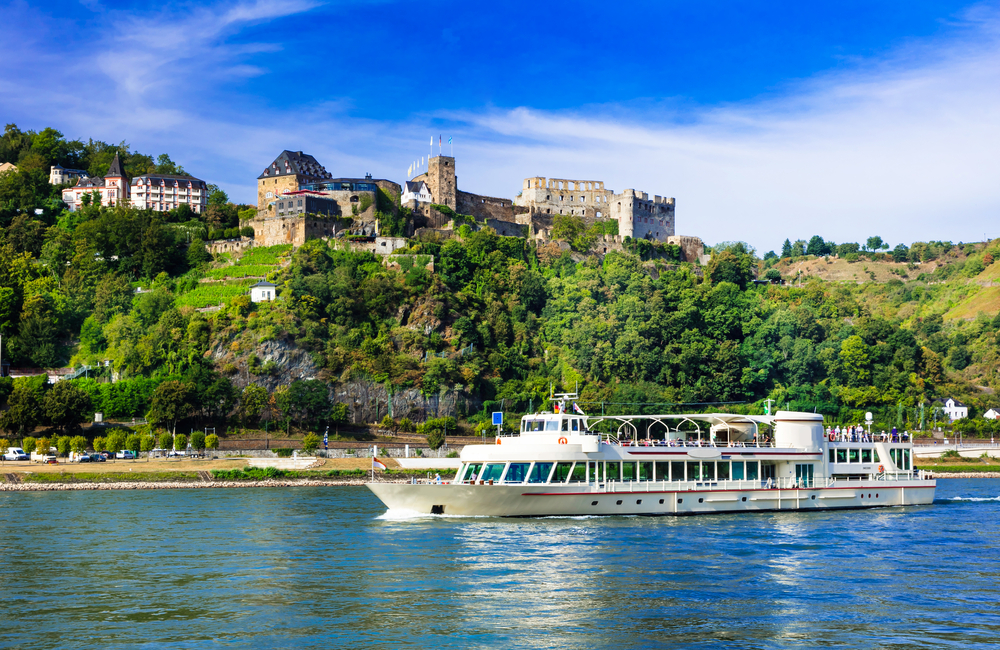
There is something undeniably personal about floating through the heart of a continent on a river cruise. Unlike their ocean-going counterparts, river cruise ships are intentionally small, typically carrying between 100 and 200 guests. That intimacy creates a relaxed, unhurried atmosphere that many travelers find deeply appealing.
Because river cruise ships dock directly in the center of most towns and cities, you step off the gangway and land immediately in the cultural heart of your destination. Cobblestone streets, open-air markets, centuries-old cathedrals, and local wine bars are often steps from the dock. There is no need for tender boats, long shuttle rides, or navigating busy port terminals.
Luxury river cruises take this experience even further by pairing that close-up access with high-end amenities. Think regionally sourced menus, locally inspired onboard decor, and curated shore excursions led by passionate local experts. Companies like Avalon Waterways cruises have built their reputations on this combination of intimacy and refinement. Avalon Waterways cruises, in particular, are known for their open-air Suite Ships, which feature wall-to-wall, floor-to-ceiling windows that essentially bring the scenery inside your stateroom.
River cruise vacations also tend to attract a more like-minded crowd. Guests on these trips generally share a love of history, culture, and genuine discovery. Conversations at dinner often flow as easily as the river outside your window.
The Grand Scale of Ocean Cruises
Ocean cruises operate on an entirely different scale. Ships carrying 3,000 to 7,000 passengers are not uncommon, and the onboard experience reflects that size. Multiple restaurants, Broadway-caliber entertainment, water parks, casinos, and full-service spas give ocean cruises the feel of a floating resort.
For travelers who want variety, stimulation, and a sense of spectacle, ocean cruises deliver in ways that river cruises simply cannot match. The sheer scope of activities available on a large ship keeps passengers entertained even on sea days when no port is on the schedule.
Ocean cruises also cover more geographic ground. A single itinerary might connect the Mediterranean coast of Spain, the ruins of Greece, the cliffs of Croatia, and the canals of Montenegro within a single week. For travelers eager to sample a wide range of cultures without committing too much time to any single destination, that breadth is a genuine advantage.
Luxury ocean cruise lines like Seabourn, Silversea, and Regent Seven Seas have carved out their own niche by combining the scale of ocean travel with the personal service and refined atmosphere typically associated with smaller vessels. If you have always wanted to experience the open sea in serious style, these lines offer a compelling argument.
Destinations: Depth vs Breadth
One of the most important distinctions between river cruise vacations and ocean cruises comes down to destination philosophy. Do you want to go deep or go wide?
European river cruises are celebrated for the way they allow travelers to immerse themselves in a single region over the course of a week or two. The Rhine, Danube, Douro, and Seine rivers each wind through their own distinct landscapes, wine regions, and cultural traditions. Spending three days sailing through the Alsace wine country or overnighting in Budapest allows for a level of engagement that a quick port stop on an ocean itinerary rarely provides.
River cruises also tend to visit smaller, less-touristed towns that ocean ships cannot physically access. Villages perched on riverbanks, medieval castles visible from your cabin window, and local vineyards just a short bike ride from the dock are all part of what makes guided cruise vacations on rivers feel so authentic.
Ocean cruises, by contrast, call on major port cities where infrastructure can handle the arrival of thousands of passengers at once. That means the destinations are often spectacular but can also feel crowded, particularly during peak season when multiple ships arrive on the same day.
If your travel goal is to understand a place rather than simply see it, river cruises offer a meaningful advantage.
Onboard Experience: Relaxation vs Entertainment
The mood onboard a river cruise ship tends toward calm and contemplative. With fewer guests and a more intimate setting, common areas feel like extensions of a well-appointed private home rather than a hotel lobby. Lounges are comfortable spaces for reading, sipping wine, and watching the scenery drift by. Evening entertainment tends toward live music, cultural lectures, and destination-focused talks rather than large-scale production shows.
This does not mean river cruises are boring. Guests on luxury river cruises often describe their days as beautifully full, mornings spent exploring a town with a knowledgeable guide, afternoons back on board with a glass of local wine, and evenings easing into dinner as the ship glides toward the next port. It is a rhythm that many travelers find deeply restorative.
Ocean cruises, on the other hand, are genuinely exciting in their entertainment offerings. Comedy clubs, cooking demonstrations, trivia nights, poolside concerts, and themed parties fill the schedule on sea days and evenings alike. For families with children or for groups traveling with varied interests, that density of programming is a real benefit.
The dining experience also differs considerably. River cruise ships typically offer a single main restaurant with an emphasis on regional cuisine tied to the itinerary. Ocean ships offer a constellation of dining venues, from casual buffets to formal restaurants to specialty tasting menus. If culinary variety matters as much as culinary quality, the ocean experience may hold the edge.
Cost, Value, and What You Get for Your Money
Both river cruises and ocean cruises span a wide range of price points, but the way value is packaged differs between the two.
Luxury river cruises tend to operate on an all-inclusive or near-all-inclusive model. Shore excursions, wine with dinner, gratuities, and sometimes even airfare are bundled into a single price. That transparency makes budgeting straightforward and means you rarely face surprise charges at the end of your trip.
Ocean cruises, even at the luxury end of the market, sometimes operate on a more a la carte basis. Specialty dining, premium beverage packages, spa treatments, and shore excursions can add significantly to the base fare. That said, ultra-luxury ocean lines have increasingly moved toward fully inclusive pricing as well, so it is worth reading the fine print before comparing costs.
When evaluating value, it also helps to consider what is not included in the price tag. The cultural depth, small-town access, and unhurried pace that define guided cruise vacations on rivers have genuine worth for the right traveler, even if they cannot be quantified on a spreadsheet.
Finding the Right Fit for Your Travel Style
Ultimately, the choice between river cruises and ocean cruises comes down to what kind of traveler you are at your core. If you crave depth over breadth, intimacy over spectacle, and a slower pace that lets a place settle into your memory rather than flash past it, luxury river cruises are likely your ideal match. If you thrive on variety, love the energy of a large ship, and want to cover significant geographic ground in a single trip, the ocean may be calling your name.
The good news is that the cruise industry, at both the river and ocean level, has never offered more compelling options for discerning travelers. Whichever direction you choose, a thoughtfully planned cruise vacation can deliver experiences that stay with you long after you have returned home.
Need a Travel Planner Near You?
Here at Create Memories Thru Travel LLC, we are passionate about turning your travel dreams into unforgettable realities, and we’d love to help you start planning your next adventure! Whether you’re craving a meticulously curated packaged tour or a fully customized vacation tailored to your unique needs and desires, we’ve got you covered. Let us handle the details, from finding the perfect destinations to creating seamless itineraries, so you can focus on enjoying the journey. Reach out to us today and let’s start crafting the trip of a lifetime together!
Whether you are a seasoned angler chasing trophy trout in Patagonia or a first-timer dreaming of battling a marlin off the coast of Los Cabos, planning the ultimate fishing trip requires careful thought, solid research, and a sense of adventure. From choosing the right destination to booking guided fishing trips and packing the right gear, every detail matters when you want to make the most of your time on the water.
This guide walks you through everything you need to know to turn your fishing travel packages into the trip of a lifetime.
Choosing the Right Destination for Your Fishing Goals
The first step in fishing trip planning is matching your goals to a destination. The world is full of incredible fisheries, but not all of them are right for every angler. If your heart is set on fly fishing, Chile and Argentina are two of the most celebrated destinations on the planet. The rivers and lakes of Chilean Patagonia are legendary for their wild brown and rainbow trout, offering some of the most pristine fly fishing trips available anywhere. Argentina shares that same wild character, with the Rio Grande in Tierra del Fuego drawing serious anglers from around the world in pursuit of massive sea-run brown trout.
For those who prefer saltwater action, the options are equally exciting. Costa Rica has long been regarded as one of the top international fishing trips destinations, offering world-class offshore fishing for sailfish, marlin, and mahi-mahi. The Pacific coast around the Osa Peninsula and Quepos consistently produces incredible numbers of billfish throughout the year. Meanwhile, Los Cabos sits at the tip of the Baja California Peninsula, where the Pacific Ocean meets the Sea of Cortez and creates one of the most productive deep sea fishing trips environments in the world. Anglers targeting wahoo, tuna, and marlin will find no shortage of action in these waters.
If inshore fishing is more your speed, Belize is a destination that should be at the top of your list. The country’s extensive flats system along its Caribbean coastline is considered among the finest permit, bonefish, and tarpon fisheries on earth. Inshore fishing in Belize combines technical challenge with jaw-dropping natural beauty, making it a favorite among fly fishers and light tackle enthusiasts. Inshore fishing charters operating out of San Pedro, Placencia, and other coastal towns give anglers direct access to these world-class flats.
Understanding the Value of Guided Fishing Trips
One of the best investments you can make in any fishing adventure is hiring a professional guide. Guided fishing trips take the guesswork out of finding fish, navigating unfamiliar waters, and using the right techniques for the local fishery. Whether you are booking fly fishing trips on a remote river in Patagonia or climbing aboard fishing charters for a full day of offshore trolling in Costa Rica, a knowledgeable guide dramatically increases both your success rate and your overall experience.
Professional guides bring local expertise that no amount of internet research can fully replace. They know the seasonal patterns, the feeding behaviors of the local fish, and the subtle quirks of the water they work every day. Beyond the fishing itself, guides often serve as cultural ambassadors, sharing stories and insights about the places you are visiting. For international fishing trips, this local knowledge is especially valuable. When you are far from home and fishing unfamiliar species in a foreign country, having an experienced guide by your side turns a good trip into a great one.
Luxury fishing vacations often include fully hosted lodge experiences where guides, meals, accommodations, and transportation are bundled together. These packages simplify the logistics enormously and allow you to focus entirely on fishing. Many of the world’s top lodges in Chile, Argentina, Belize, and Costa Rica operate this way, providing a seamless experience from arrival to departure.
Timing Your Trip for Peak Conditions
Timing is everything in fishing trip planning, and the best window can vary significantly from one destination to the next. In Chile, the prime season for fly fishing runs from November through April, which corresponds to the Southern Hemisphere’s spring and summer months. Rivers are at ideal levels during this period, and the fish are active and well-distributed throughout the system. Argentina’s legendary sea-run brown trout season on the Rio Grande peaks between January and April, though the window can shift depending on water conditions in a given year.
In Costa Rica, sailfish season on the Pacific side runs from December through April, while the Caribbean side tends to peak between September and November. Los Cabos offers year-round fishing, but the summer and fall months bring the most concentrated action for marlin and tuna. Deep sea fishing trips out of the Cabo San Lucas marina are particularly productive from June through November when warm water pushes big pelagics close to shore.
Belize offers consistent inshore fishing charters throughout much of the year, though the cooler months between November and March are generally considered the best for permit and bonefish. Tarpon, on the other hand, can be found in good numbers from March through June. Planning your trip around these seasonal windows ensures you arrive when the fishery is at its most productive.
Logistics, Gear, and Preparing for International Fishing Trips
Once you have chosen your destination and confirmed your dates, the logistical side of fishing trip planning begins in earnest. For international fishing trips, this includes securing the proper fishing licenses, understanding customs regulations around bringing personal gear into a foreign country, and arranging travel insurance that covers your equipment as well as your health.
Most reputable fishing travel packages will outline what gear is provided and what you are expected to bring. When fishing with high-end lodges in Chile or Argentina, for example, rods, reels, and flies are often supplied, but serious anglers frequently prefer to travel with their own setups. If you are booking fishing charters for offshore work in Los Cabos or Costa Rica, heavy trolling gear is almost always provided by the charter operation.
Clothing and personal comfort deserve as much attention as your tackle. Sun protection is critical in tropical destinations like Belize and Costa Rica, where hours on open water under a blazing sun can quickly lead to sunburn and dehydration. Breathable, lightweight fishing shirts with built-in UPF protection are standard gear for a reason. In Patagonia, the weather can shift dramatically within a single day, so layering is essential on fly fishing trips through Chile or Argentina. Waterproof wading jackets, warm base layers, and quality wading boots are non-negotiable for anglers fishing the rivers of the south.
Booking flights well in advance is especially important for international fishing trips to remote destinations. Many of the top fly fishing lodges in Patagonia require connecting flights through Santiago or Buenos Aires followed by additional ground or air transfers. Building extra buffer days into your itinerary at the beginning and end of the trip protects you from the disruption of missed connections and lost luggage.
Conclusion
Planning the ultimate fishing trip is a deeply rewarding process when you approach it with the right mindset and the right resources. Whether you are drawn to fly fishing in Chile’s legendary rivers, chasing billfish on deep sea fishing trips out of Los Cabos, or stalking permit across the flats of Belize, the world’s great fisheries are waiting. Invest in guided fishing trips, align your travel with peak seasons, and let a well-crafted fishing travel package handle the details. The fish of a lifetime are out there, and with thoughtful planning, you will be ready when the moment comes.
Need a Travel Planner Near You?
Here at Create Memories Thru Travel LLC, we are passionate about turning your travel dreams into unforgettable realities, and we’d love to help you start planning your next adventure! Whether you’re craving a meticulously curated packaged tour or a fully customized vacation tailored to your unique needs and desires, we’ve got you covered. Let us handle the details, from finding the perfect destinations to creating seamless itineraries, so you can focus on enjoying the journey. Reach out to us today and let’s start crafting the trip of a lifetime together!