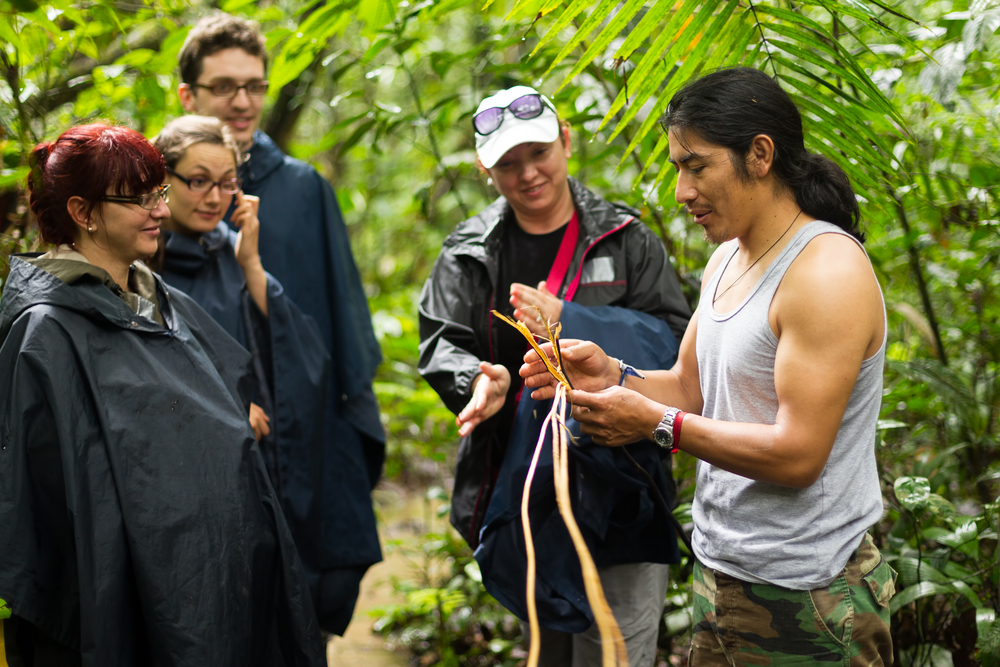
For travelers who refuse to choose between comfort and thrill, luxury adventure travel has become the ultimate answer. Gone are the days when adventure meant roughing it in a tent or sacrificing fine dining for the sake of exploration. Today’s luxury outdoor vacations blend world-class amenities with heart-pounding experiences, creating journeys that satisfy the soul without compromising on elegance. Whether you are tracking the Big Five across the Serengeti or casting a fly rod in the crystal waters of Patagonia, the world of exclusive travel experiences has never been more captivating or more refined.
Why Luxury Adventure Travel Is Redefining Modern Tourism
The travel industry has undergone a remarkable transformation over the past decade. Discerning travelers are no longer satisfied with passive sightseeing or resort pools. They want stories worth telling, experiences that push personal boundaries, and landscapes that take their breath away. But they also want a glass of aged Bordeaux waiting at the end of the day.
Luxury adventure travel answers this demand with a resounding yes to both. Custom adventure travel companies have responded to this shift by designing itineraries that weave together rugged wilderness access with five-star accommodations, private guides, gourmet cuisine, and seamless logistics. The result is an entirely new category of travel where the journey itself becomes as memorable as the destination.
What sets these experiences apart is the extraordinary level of personalization involved. Adventure travel planning services work closely with clients to understand their physical capabilities, personal interests, and dream destinations before crafting a single-day of travel. Nothing is left to chance, and every detail, from the thread count of lodge linens to the expertise of your tracking guide, is considered in advance.
African Safari Travel Packages: The Gold Standard of Luxury Exploration
When most people imagine luxury outdoor vacations, the African safari is often the first image that comes to mind, and for good reason. African safari travel packages represent one of the most iconic and emotionally powerful travel experiences on the planet. Watching a lioness lead her cubs across the golden savanna at sunrise, or witnessing a million wildebeest thunder across the Mara River, are moments that no photograph can fully capture.
What separates a luxury safari from a standard one is not simply the quality of the tent. It is the entire architecture of the experience. Private conservancies in Kenya, Tanzania, Botswana, and Zimbabwe offer exclusive access to wildlife corridors that are off-limits to standard tour operators. Guests at ultra-luxury camps like those found in the Okavango Delta or the private conservancies bordering the Masai Mara may find themselves on a game drive with only their guide and tracker for company, no other vehicles in sight, no competing tourists.
Guided luxury tours on the African continent typically include expert naturalists who hold advanced degrees in ecology or zoology. These are not simply drivers with a basic knowledge of animal names. They are storytellers who bring the bush to life, explaining predator-prey relationships, reading the language of animal behavior, and connecting guests to the deeper rhythms of the natural world.
The accommodations at the top tier of African safari travel packages are nothing short of extraordinary. Think private plunge pools overlooking elephant highways, outdoor showers beneath a canopy of stars, and candlelit dinners served in the middle of the bush with a full silver service. Many high-end operators also offer helicopter transfers between camps, bush breakfasts beside watering holes, and walking safaris with armed rangers who have spent decades in the field.
High-End Fishing Trips: Sport, Solitude, and Scenery
For a different kind of luxury adventure, high-end fishing trips offer an unmatched combination of sporting challenge and natural beauty. Fly fishing, in particular, has cultivated a devoted following among luxury travelers who appreciate both the technical skill the sport demands and the extraordinary landscapes it tends to occupy.
Patagonia, straddling the southern reaches of Chile and Argentina, is widely regarded as one of the finest fly fishing destinations on earth. The rivers here, fed by Andean snowmelt and largely inaccessible by road, hold massive brown and rainbow trout that have never seen a hook. Reaching them often requires float planes, horseback riding, or multi-day pack trips, all of which can be arranged through adventure travel planning services that specialize in remote angling.
Alaska represents another crown jewel of high-end fishing trips. King salmon runs, trophy rainbow trout, and the sheer, untamed wilderness of the state’s river systems draw serious anglers from around the world. Luxury lodges along Alaska’s premier rivers offer helicopter access to remote fishing beats, world-class guides, sommelier-curated wine lists, and spa facilities where guests can unwind after a long day on the water.
Beyond the fish themselves, what makes these journeys so compelling is the solitude. In a world of constant connectivity and crowded destinations, standing alone in a pristine river with nothing but mountains on the horizon and the sound of moving water in your ears is its own form of luxury. Custom adventure travel companies understand this deeply, designing itineraries that protect the sense of space and quiet that makes these destinations so special.
Beyond Safaris and Fishing: The Full Spectrum of Luxury Adventure
While African safaris and high-end fishing trips may anchor the conversation, the world of luxury travel experiences extends far beyond these two iconic pursuits. Mountain trekking in the Himalayas, private yacht expeditions through the Galapagos Islands, heli-skiing in the Canadian Rockies, and gorilla trekking in Rwanda all fall under the expanding umbrella of guided luxury tours.
What unites these experiences is a commitment to access and authenticity. The best operators in this space do not simply dress up standard tours with nicer hotels. They provide access to places, people, and moments that are genuinely difficult to reach without significant expertise, connections, and resources. A private audience with a master tea grower in Japan’s Uji region, a night spent at a mobile camp in Antarctica with a team of polar scientists, a private dive on a rarely visited coral atoll: these are the kinds of details that separate truly exclusive travel experiences from the merely expensive.
The guides and local partners involved in these journeys are often among the most knowledgeable people in their respective fields. Hiring them, and building long-term relationships with the communities and ecosystems involved, is both an ethical responsibility and a competitive advantage for operators who understand that the finest luxury travel experiences are rooted in genuine expertise.
How to Plan Your Luxury Adventure Vacation
Planning a high-caliber adventure trip requires a fundamentally different approach than booking a standard holiday. The first step is finding an operator or travel designer who genuinely specializes in the type of experience you are seeking. Generalist agencies rarely have the depth of knowledge or the on-the-ground relationships needed to deliver a truly exceptional luxury adventure.
Look for adventure travel planning services with demonstrable expertise, strong relationships with local guides and conservation partners, and a track record of curating experiences that go beyond the obvious. A great operator will ask as many questions as you do, probing your fitness level, your tolerance for remoteness, your culinary preferences, and what you are hoping to feel at the end of your journey.
Flexibility in timing is also important. The finest African safari travel packages, the best windows for fly fishing in Patagonia, and peak heli-skiing conditions in British Columbia all depend on seasonal factors that a knowledgeable operator can navigate on your behalf. Booking well in advance, typically 12 to 18 months for the most sought-after destinations, is essential for securing the best camps, guides, and river access.
Conclusion
Luxury adventure travel is not about excess for its own sake. It is about investing in experiences that are genuinely rare, deeply personal, and impossible to replicate. From African safari travel packages that place you alone in one of the world’s last great wildernesses to high-end fishing trips in rivers that most people will never see, the world of exclusive travel experiences offers something that no standard vacation can: the feeling that you have truly been somewhere, and that the world is more extraordinary than you imagined.
Need a Travel Planner Near You?
Here at Create Memories Thru Travel LLC, we are passionate about turning your travel dreams into unforgettable realities, and we’d love to help you start planning your next adventure! Whether you’re craving a meticulously curated packaged tour or a fully customized vacation tailored to your unique needs and desires, we’ve got you covered. Let us handle the details, from finding the perfect destinations to creating seamless itineraries, so you can focus on enjoying the journey. Reach out to us today and let’s start crafting the trip of a lifetime together!
There is something uniquely satisfying about traveling with a small group of like-minded people. You get the comfort of having an expert guide, the camaraderie of shared experiences, and just enough flexibility to make the journey your own. Small group travel tours have grown significantly in popularity over the past decade, and it is easy to understand why. They offer a sweet spot that neither solo backpacking nor large bus tours can quite replicate.
Whether you are a seasoned traveler looking for a more curated experience or a first-timer who wants a safety net without sacrificing spontaneity, small group travel might be exactly what you have been searching for.
Why Small Groups Change Everything About How You Travel
Large tour groups have their place, but let us be honest: standing in a crowd of fifty strangers while a guide shouts through a megaphone is not exactly an intimate travel experience. When your group is smaller, typically anywhere from six to sixteen people, the entire dynamic shifts. Conversations flow more naturally. Guides can tailor commentary to the group’s actual interests. Restaurants can seat everyone at one table. And you spend far less time waiting around for stragglers.
Guided small group vacations also tend to attract a specific kind of traveler: curious, open-minded, and genuinely interested in the places they visit. That shared mindset creates connections that often outlast the trip itself. Many travelers on small group excursions report leaving not just with memories of the destination, but with lasting friendships formed along the way.
There is also a practical advantage that does not get talked about enough. Small groups can access places that larger tours simply cannot. A family-run trattoria in rural Tuscany, a hidden temple in northern Thailand, a private wine cellar in the Loire Valley. These are the kinds of experiences that require flexibility, trust, and a guide who knows the locals, all things that small group travel makes possible.
The Balance Between Structure and Freedom
One of the most common misconceptions about guided travel is that it means every hour of every day is planned out for you. In reality, the best small group travel tours are designed with intentional breathing room. Mornings might involve a guided walking tour of a historic district, while afternoons are left open for personal exploration, a long lunch at a cafe you stumbled upon, or simply sitting in a piazza and watching the world go by.
This structure-with-freedom model is what separates a thoughtfully designed itinerary from a rigid schedule. Travelers who choose guided small group vacations often find they get far more out of a destination than they would on their own, precisely because the guided portions handle the logistics and context, leaving them free to be present in the moment rather than consulting maps and translation apps.
Custom group travel planning takes this even further. Rather than fitting your interests into a pre-made itinerary, custom planning starts with what your group actually wants to do, see, taste, and experience. Are you passionate about architecture? Food history? Hiking? Wildlife? A skilled travel planner builds around those priorities, ensuring the trip feels personal rather than generic.
For travelers who have always found purely independent travel a little exhausting, and who find large group tours a little stifling, small group excursions represent a genuinely satisfying middle ground.
What to Look for When Choosing a Small Group Tour
Not all small group tours are created equal, and a little research goes a long way. The first thing to consider is group size. Some companies advertise “small group” tours that still accommodate twenty-five or thirty people. That is not small in any meaningful sense. Look for tours that cap their groups at sixteen or fewer, and ideally closer to twelve.
Guide quality matters enormously. The best guides on small group excursions are not just knowledgeable about history and geography; they are also socially skilled, able to read a group’s energy, adjust the pace when needed, and create an atmosphere where everyone feels included. Reading traveler reviews specifically about the guide can tell you a great deal about what the experience will actually be like on the ground.
Accommodation style is another factor worth examining closely. Intimate travel experiences are partly built around where you stay. A locally owned boutique hotel in a residential neighborhood offers a very different texture than a large international chain near the airport. The former puts you inside the city; the latter puts you adjacent to it. Look for tours that prioritize character-rich accommodations as part of the overall experience.
Finally, consider how much free time is built into the itinerary. A good tour operator understands that travelers need space to wander, reflect, and make their own discoveries. If an itinerary looks so packed that there is no room to breathe, that is worth noting before you book.
Custom Group Travel Planning: Building a Trip Around Your People
There is a growing segment of travelers who are not interested in booking into an existing tour at all. Instead, they want something designed specifically for their group, whether that is a multigenerational family reunion, a milestone birthday celebration, a corporate retreat, or a group of close friends with specific shared interests.
Custom group travel planning is the answer to this need. It begins with a conversation about who is traveling, what matters most to them, and what kind of pace feels right. From there, a travel planner builds out an itinerary that reflects those priorities at every level, from the neighborhoods you stay in to the local experts who lead your experiences, to the restaurants reserved for your group on a quiet Tuesday night when the streets are calm.
This kind of planning is not just for luxury travelers, though it certainly scales upward in terms of what is possible. Even a modest custom itinerary for a small group of eight friends can be built around a specific theme, whether that is cycling through the wine country of Burgundy, hiking lesser-known trails in Patagonia, or exploring the street food scene in Penang, Malaysia. The point is that the trip belongs to your group in a way that a standard booking simply cannot achieve.
What makes custom group travel planning especially valuable is the relationship between planner and traveler. A good planner asks the questions you did not think to ask, anticipates logistical challenges before they arise, and ensures that every person in your group feels considered. That kind of attention to detail is what turns a good trip into a genuinely memorable one.
Small group travel tours, when designed well, do not just take you to places. They create the conditions for real experiences: real conversations with locals, real meals that require no Yelp research, real moments of surprise and delight that you could not have planned even if you tried.
Conclusion
Small group travel represents one of the most thoughtful ways to see the world. It combines the expertise and ease of guided travel with the flexibility and intimacy that independent travelers value. Whether you join an existing tour or invest in custom group travel planning, you are choosing an approach that prioritizes depth over distance and connection over convenience. For travelers who want more than a checklist of sights, small group excursions offer something genuinely different: a way of traveling that feels, at the end of each day, like it was made just for you.
Need a Travel Planner Near You?
Here at Create Memories Thru Travel LLC, we are passionate about turning your travel dreams into unforgettable realities, and we’d love to help you start planning your next adventure! Whether you’re craving a meticulously curated packaged tour or a fully customized vacation tailored to your unique needs and desires, we’ve got you covered. Let us handle the details, from finding the perfect destinations to creating seamless itineraries, so you can focus on enjoying the journey. Reach out to us today and let’s start crafting the trip of a lifetime together!
Few destinations in the world offer the kind of layered, living history that Japan and China provide to the curious traveler. These two nations have shaped civilization for thousands of years, and today they remain among the most rewarding destinations for cultural travel experiences. Whether you are drawn to the meditative quiet of a Kyoto temple garden or the sweeping grandeur of the Great Wall, Asia has a way of leaving a permanent mark on the soul of every traveler who arrives with open eyes and an open mind.
Cultural tours through Japan and China are not simply about ticking off landmarks. They are about stepping inside a way of life that is centuries old, tasting food that tells a story, and connecting with communities that have preserved their traditions with extraordinary care and pride.
The Living Traditions of Japan
Japan is a country where the ancient and the ultramodern exist side by side in a kind of graceful tension. In Tokyo, neon-lit streets and futuristic architecture dominate the skyline, yet just a short train ride away, the historic city of Kyoto offers a completely different world. Kyoto is the spiritual and cultural heart of Japan, home to more than 1,600 Buddhist temples and 400 Shinto shrines. Walking through the Arashiyama bamboo grove or crossing the iconic orange torii gates of Fushimi Inari at dawn is the kind of traditional Japanese experience that stays with a traveler long after the journey ends.
Guided cultural travel in Japan allows visitors to go beyond the surface. A knowledgeable local guide can arrange a traditional tea ceremony participation, where the precise movements and philosophy of chado (the way of tea) offer insight into Japanese values of harmony, respect, purity, and tranquility. In Nara, travelers can walk freely among sacred deer while exploring the towering Todai-ji temple complex, one of the largest wooden structures in the world. In the mountainous Tohoku region, ryokan (traditional inns) allow guests to sleep on futons, soak in natural hot springs called onsen, and be served kaiseki meals that are as visually beautiful as they are delicious.
Japanese cuisine itself is a form of cultural expression. Each region of the country has its own distinct culinary identity. Osaka is celebrated as Japan’s kitchen, where street food like takoyaki (octopus balls) and okonomiyaki (savory pancakes) reflect the city’s playful and generous spirit. In contrast, Kyoto’s kaiseki cuisine is restrained and elegant, built around seasonal ingredients presented in a way that reflects the natural beauty of the moment. For food-focused travelers, cultural tours that center on Japanese culinary traditions, including visits to Tsukiji outer market in Tokyo or sake breweries in Niigata, offer a rich and flavorful education.
Discovering China’s Heritage and Ancient Civilizations
China is a civilization of staggering depth and diversity. With more than 5,000 years of recorded history, China heritage tours offer travelers the chance to stand inside some of the most remarkable achievements of the human story. The Great Wall, stretching thousands of miles across northern China, is more than a fortress; it is a monument to the ambition and endurance of an entire civilization. Walking a restored section near Mutianyu, away from the busiest crowds, gives visitors a sense of both the scale and the silence that has defined this landscape for centuries.
In Xi’an, the ancient capital of thirteen Chinese dynasties, the Terracotta Army remains one of the great archaeological discoveries of the modern era. Commissioned by Emperor Qin Shi Huang more than 2,200 years ago, the thousands of life-sized clay soldiers buried to protect the emperor in the afterlife are a window into the beliefs and power structures of early Chinese imperial society. Guided cultural travel in Xi’an also includes exploring the ancient Muslim Quarter, where the fragrant lanes of a centuries-old Islamic community offer a fascinating contrast to the broader Chinese cultural narrative.
Beijing, China’s capital, is a city of imperial grandeur. The Forbidden City, which served as the ceremonial and political center of Chinese government for nearly 500 years, is one of the largest palace complexes in the world. Wandering its red-walled courtyards and golden-roofed pavilions provides a vivid sense of dynastic China’s hierarchy and ritual. Nearby, the Temple of Heaven is where emperors once performed ceremonies believed to ensure good harvests and cosmic harmony. These sites are best experienced through guided cultural travel, where context transforms stone and tile into living history.
Food as a Cultural Journey Through China
Chinese cuisine is not a single tradition but a vast mosaic of regional identities, each shaped by geography, climate, and history. Cultural travel experiences built around food offer some of the most authentic connections to Chinese life. In Sichuan Province, the cuisine is bold, fiery, and numbing, built on the distinctive sensation of Sichuan peppercorns. A bowl of mapo tofu or a plate of dan dan noodles in Chengdu is not just a meal; it is an introduction to a culinary philosophy that values intensity and contrast.
In contrast, Cantonese cuisine, centered around Guangzhou and the Pearl River Delta, is prized for its subtlety and freshness. Dim sum culture, the tradition of gathering over small shared dishes with tea, is deeply woven into the social fabric of southern China. For travelers, participating in a morning dim sum service at a traditional teahouse is as much a cultural ritual as a meal. Further north, in Shanghai, the cuisine reflects the city’s cosmopolitan history, blending rich, sweet sauces with influences absorbed from a century of international exchange.
China heritage tours that incorporate cooking classes, market visits, and meals with local families offer travelers a depth of experience that no museum exhibit can replicate. Food is memory, identity, and community, and nowhere is that more true than in China.
Guided Cultural Travel: Why It Matters
Both Japan and China reward the traveler who arrives with preparation and patience, but guided cultural travel elevates the experience in ways that independent exploration cannot always achieve. A skilled guide brings language, context, and connection. In Japan, a guide might arrange a private meeting with a Zen Buddhist monk for a morning meditation session, or secure access to a neighborhood izakaya that would otherwise be invisible to foreign visitors. In China, a guide can navigate the complexity of a country where language barriers, regional differences, and logistical challenges can otherwise limit a traveler’s reach.
Cultural tours in both countries are increasingly designed around immersion rather than observation. Travelers today are seeking experiences where they participate, create, and connect. A calligraphy workshop in Hangzhou, a ikebana (flower arranging) class in Osaka, a visit to a silk weaving workshop in Suzhou, or an afternoon with a local family in a Hakka roundhouse in Fujian Province are the kinds of moments that define meaningful cultural travel experiences. These are not performances put on for tourists. They are glimpses into real lives, real traditions, and real pride.
Conclusion
Japan and China together form one of the richest cultural travel landscapes on earth. From the serene temple gardens of Kyoto to the imperial grandeur of Beijing, from the fiery kitchens of Chengdu to the delicate tea ceremonies of Uji, every corner of these countries holds something worth slowing down for. Whether you choose guided cultural travel or a carefully self-planned journey, the traditions, cuisine, and history of Asia have the power to reshape the way you see the world. Travel here is not just tourism. It is education, connection, and transformation, offered freely to anyone willing to arrive with curiosity and respect.
Need a Travel Planner Near You?
Here at Create Memories Thru Travel LLC, we are passionate about turning your travel dreams into unforgettable realities, and we’d love to help you start planning your next adventure! Whether you’re craving a meticulously curated packaged tour or a fully customized vacation tailored to your unique needs and desires, we’ve got you covered. Let us handle the details, from finding the perfect destinations to creating seamless itineraries, so you can focus on enjoying the journey. Reach out to us today and let’s start crafting the trip of a lifetime together!
For decades, the travel industry ran on a simple formula: bundle flights, hotels, and a few excursions into a tidy package, slap a discount on it, and sell it to as many people as possible. It worked well enough when travelers had limited access to information and fewer options. But today, that model is cracking under the weight of its own rigidity.
More and more travelers are turning to custom travel planning services to build trips that actually reflect who they are, what they value, and how they want to spend their time. The shift is not just a trend. It is a fundamental change in how people think about travel.
The Problem With Generic Vacation Packages
Packaged vacations were designed for the average traveler, which means they were designed for no one in particular. You get the most popular hotel in a given area, the most visited tourist sites, and a schedule that leaves little room for spontaneity or personal preference. If you love hiking at dawn but the package sends you on a bus tour at 8 a.m., you are stuck. If you have dietary restrictions, mobility considerations, or simply want to skip the crowded landmarks in favor of something quieter and more authentic, a standard package rarely accommodates that.
The real cost of a generic vacation is not just money. It is the experience itself. Travelers return home feeling like they checked boxes rather than actually connecting with a destination. They visited the Eiffel Tower because it was on the itinerary, not because they had any particular desire to stand in a two-hour line. This growing dissatisfaction is exactly what has fueled the rise of personalized vacation packages. People want more from their time off, and they are willing to pay for it.
There is also the issue of value. A package deal might look affordable on the surface, but it often includes services you do not want and excludes the ones you do. You may be paying for a hotel that prioritizes volume over quality, or for guided tours that rush you through places you would have preferred to linger. Custom itinerary planning, by contrast, directs your budget toward the things that matter most to you personally.
How Custom Travel Planning Services Actually Work
The process behind custom travel planning services is more collaborative than most people expect. Rather than selecting from a menu of pre-built options, you work with a travel advisor who takes time to understand your travel style, your budget, your interests, and even your past travel experiences. From that conversation, they begin building a framework that is specific to you.
A good travel advisor will ask questions that an online booking platform never would. What kind of pace do you prefer? Do you want every hour scheduled or do you need breathing room? Are you traveling to celebrate something, recover from something, or simply explore? These are not trivial questions. The answers shape every decision that follows, from the neighborhood where you stay to the type of restaurant reserved for your first evening.
This is also where the travel advisor vs online booking debate becomes very clear. Online booking platforms are powerful tools for comparing prices and availability. But they cannot read between the lines. They cannot sense that a client who says they want a “relaxing beach trip” actually needs complete silence and privacy after a difficult year at work. A skilled advisor picks up on those nuances and builds them into the experience in ways that no algorithm currently can.
Custom itinerary planning also involves a significant amount of behind-the-scenes logistics that travelers rarely see. Coordinating transfers, managing time zone transitions, booking experiences that require advance reservations, and building contingency plans all happen before the traveler ever packs a bag. That invisible labor is a large part of what justifies the cost of working with a professional.
Tailor-Made Travel Experiences Across Every Type of Trip
One of the strongest arguments for tailor-made travel experiences is how well they adapt to different kinds of trips. Honeymoons, family vacations, solo adventures, group celebrations, and accessibility-focused travel all have wildly different requirements. A one-size-fits-all package cannot serve all of them well. A custom approach can serve each of them exceptionally.
Consider a multigenerational family trip. Grandparents, parents, teenagers, and young children all have different energy levels, interests, and physical capabilities. A packaged tour is going to leave someone frustrated. But a custom itinerary can build in dedicated time for the grandparents to rest while the teenagers go on a kayaking excursion and the younger kids enjoy a cultural workshop. Everyone is accounted for, and no one has to compromise the entire experience.
The same logic applies to adventure travel, wellness retreats, culinary tours, and cultural immersion trips. Each of these categories requires a depth of local knowledge and logistical precision that generic packages simply cannot provide. A custom itinerary for a culinary-focused trip to Japan, for example, might include a private cooking class with a local chef, a guided early-morning visit to a fish market, and reservations at a small family-run restaurant that does not appear on any mainstream travel site. None of that would end up in a standard package.
Why More Travelers Are Choosing Advisors Over Algorithms
The travel advisor vs online booking conversation has shifted significantly in recent years. For a period, it seemed like digital platforms were going to make human advisors obsolete. Travelers could compare hundreds of options instantly, read thousands of reviews, and book everything from their phone in minutes. It seemed like enough.
But the limits of that approach have become apparent. Review aggregation does not guarantee a great experience because reviews reflect average satisfaction across a wide range of travelers with different preferences. The hotel rated 4.2 stars might be a genuinely good match for some people and completely wrong for others. An algorithm optimizing for popularity cannot distinguish between those two cases.
There is also the matter of trust and accountability. When something goes wrong during a trip, and at some point something always does, an online platform provides customer service. A travel advisor provides a relationship. They know your trip, they know your preferences, and they have a personal stake in making things right. That difference becomes especially significant during disruptions like flight cancellations, natural events, or political unrest in a destination.
The demand for personalized vacation packages is also being driven by a broader cultural shift. Travelers today are more informed, more discerning, and more intentional about how they spend their money and their time. They have read enough articles and watched enough travel content to know that the best experiences rarely come from the most packaged ones. They want access to the version of a destination that most tourists never see, and they understand that getting there requires expertise and personal guidance.
Conclusion
The decline of cookie-cutter vacation packages is not an accident. It reflects a deeper shift in what travelers want from their experiences. Custom travel planning services offer something that no algorithm or bundle deal can fully replicate: a trip built around a specific person, not a demographic average. Whether through tailor-made travel experiences crafted for a multigenerational family or a solo traveler seeking something off the beaten path, personalized vacation packages consistently deliver more meaningful outcomes. As travelers continue to prioritize depth over convenience, the role of the skilled travel advisor will only grow more essential.
Need a Travel Planner Near You?
Here at Create Memories Thru Travel LLC, we are passionate about turning your travel dreams into unforgettable realities, and we’d love to help you start planning your next adventure! Whether you’re craving a meticulously curated packaged tour or a fully customized vacation tailored to your unique needs and desires, we’ve got you covered. Let us handle the details, from finding the perfect destinations to creating seamless itineraries, so you can focus on enjoying the journey. Reach out to us today and let’s start crafting the trip of a lifetime together!
Japan offers travelers an extraordinary blend of ancient tradition and cutting-edge modernity. Whether you are planning your first Japan travel planning adventure or returning to explore new regions, understanding the basics will transform your experience. This guide covers essential information for Tokyo and Kyoto itineraries, highlights the benefits of guided Japan tours, and explains how custom Japan vacation packages can enhance your journey.
Getting Started with Japan Travel Planning
Before booking your flight, invest time in learning about Japan. The country welcomes millions of visitors annually, and understanding its culture, customs, and geography will prepare you for a meaningful trip. Japan travel planning should begin three to six months before your intended departure date, allowing time to secure flights, accommodations, and any necessary visas.
Most travelers from Western countries need only a valid passport for stays under ninety days. Japan’s official language is Japanese, but major cities like Tokyo feature extensive English signage and many younger residents speak English. Download a translation app before departure and carry a pocket phrasebook for emergencies.
Consider the seasons carefully when planning. Spring (March to May) brings cherry blossom festivals and mild temperatures, making it peak tourist season. Autumn (September to November) offers comfortable weather and fall foliage. Summer can be humid and hot, while winter is mild in most regions but cold in northern areas.
Navigating Tokyo and Kyoto Itineraries
Tokyo and Kyoto represent two sides of Japan: the bustling capital and the ancient heart. A Tokyo and Kyoto itinerary typically spans ten to fourteen days, though first-time visitors might spend five to seven days exploring each city.
Tokyo demands at least five days to experience properly. Visit the historic Senso-ji Temple in Asakusa, explore the upscale Ginza shopping district, and experience the organized chaos of Shibuya Crossing. The Imperial Palace East Gardens offer peaceful respite, while the Meiji Shrine provides spiritual atmosphere. Take a day trip to Mount Fuji via Hakone or visit the golden pavilion temples in nearby areas.
Kyoto preserves Japan’s historical essence with over two thousand temples and shrines. Spend time wandering the geisha district of Gion, exploring the thousands of vermillion torii gates at Fushimi Inari Shrine, and visiting the Golden Pavilion (Kinkaku-ji). The Philosopher’s Walk, a peaceful canal-side path, showcases Kyoto’s serene character. Consider staying in a traditional ryokan (Japanese inn) to experience authentic hospitality and cuisine.
The train journey between Tokyo and Kyoto takes approximately two hours via the Shinkansen (bullet train), one of Japan’s greatest innovations. Booking a Japan Rail Pass in advance provides excellent value for multiple intercity journeys.
Choosing Guided Japan Tours for Enhanced Experiences
While independent travel works well in Japan, guided Japan tours offer significant advantages. Professional guides provide historical context, cultural insights, and logistical expertise that enhance understanding and reduce stress.
Guided tours excel at navigating complex temple histories, explaining Buddhist and Shinto practices, and sharing personal anecdotes about daily Japanese life. A knowledgeable guide transforms a temple visit from checking off a checklist to understanding centuries of artistic and spiritual traditions. Tours also manage transportation logistics, securing priority entry to popular attractions, and handling reservations at restaurants difficult for foreign travelers to access.
Tour companies offer specialized itineraries focusing on specific interests: culinary tours exploring regional cuisine, art history tours visiting world-class museums, or spiritual journeys visiting Buddhist temples. Group tours provide social experiences and shared cost savings, while private tours offer flexibility and personalized attention.
Consider a guided tour lasting seven to ten days as the ideal balance between structure and exploration. Quality tour operators include cultural training before departure, small group sizes that permit meaningful interaction, and accommodations ranging from business hotels to luxurious properties.
Custom Japan Vacation Packages: Tailoring Your Experience
Custom Japan vacation packages allow you to design journeys matching your interests, budget, and pace. Rather than following a set itinerary, travel advisors work with you to create personalized experiences.
Perhaps you are passionate about traditional arts. A custom package might include calligraphy lessons in Kyoto, visits to traditional theater performances, and meetings with local artisans. If food excites you, your Japan travel advisor can arrange cooking classes, visits to Tsukiji Fish Market, and multi-course kaiseki dinners at Michelin-starred restaurants.
Custom packages address practical concerns like accessibility, dietary restrictions, and family needs. Traveling with children requires different pacing than adult-only groups. Someone with mobility challenges needs properties with elevator access and shorter walking distances. A Japan travel advisor understands these nuances and designs accordingly.
Budget flexibility matters too. Custom Japan vacation packages range from budget-conscious ($100-150 daily) to luxury experiences ($500+ daily). Your advisor helps allocate resources across flights, accommodations, dining, and activities based on your priorities.
The personalization extends beyond activities to logistics and timing. Want to avoid crowds at Fushimi Inari? Your advisor schedules an early morning visit. Interested in experiencing a traditional matsuri festival? They build your itinerary around specific dates. Prefer slower travel with deep dives into fewer locations? Custom packages can focus on two cities with extensive exploration rather than rushing through five.
Beyond Tokyo and Kyoto: Exploring Japan’s Diverse Regions
Japan extends far beyond its two most famous cities. A comprehensive Japan travel planning approach includes time for other regions that reveal different facets of Japanese culture.
Hiroshima offers profound historical and spiritual significance. The Peace Memorial Park and Museum provide meaningful context about World War II and nuclear history. The nearby island of Miyajima features the iconic floating torii gate of Itsukushima Shrine, one of Japan’s most photographed landmarks.
Osaka serves as a vibrant counterpoint to Kyoto’s serenity. Known as Japan’s kitchen, Osaka offers street food culture, bustling markets, and castle ruins. The city provides excellent access to the Kii Peninsula, where mountain temples and pilgrimage routes offer spiritual experiences.
The Japanese Alps (Nagano and Gifu prefectures) showcase alpine scenery, traditional villages like Takayama and Shirakawa-go, and excellent hiking. Visitors traveling in winter can access world-class ski resorts.
For beach lovers, Okinawa in the south offers tropical climates, different cultural traditions reflecting Ryukyu Kingdom heritage, and water activities impossible in mainland Japan.
A Japan travel advisor can incorporate these regions into your itinerary, helping determine which destinations match your interests and available time. Even two-week trips can realistically visit three to four destinations by utilizing efficient train travel.
Conclusion
Japan travel planning rewards those who prepare thoughtfully. Understanding the basics of culture and logistics, crafting a Tokyo and Kyoto itinerary as your foundation, considering guided Japan tours for their expertise and convenience, and exploring custom Japan vacation packages that reflect your unique interests will create an unforgettable experience. Japan’s combination of ancient temples and futuristic technology, bustling cities and peaceful gardens, local neighborhoods and world-famous landmarks ensures that every visitor discovers something transformative. Begin your planning today, and let Japan reveal its many wonders.
Need a Travel Planner Near You?
Here at Create Memories Thru Travel LLC, we are passionate about turning your travel dreams into unforgettable realities, and we’d love to help you start planning your next adventure! Whether you’re craving a meticulously curated packaged tour or a fully customized vacation tailored to your unique needs and desires, we’ve got you covered. Let us handle the details, from finding the perfect destinations to creating seamless itineraries, so you can focus on enjoying the journey. Reach out to us today and let’s start crafting the trip of a lifetime together!