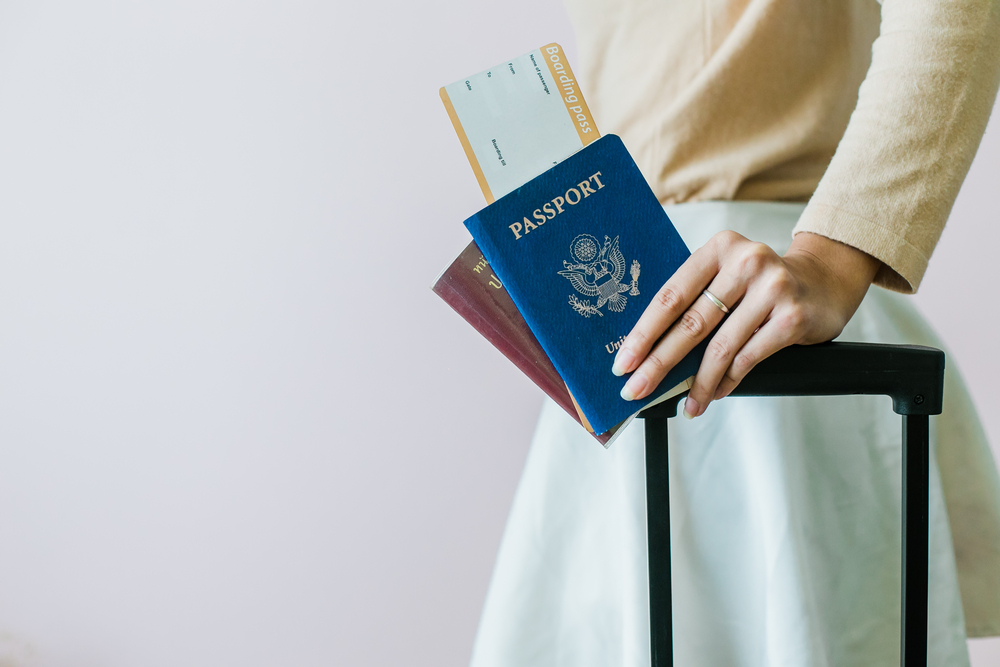
If you’re planning a trip to Europe in the near future, you may have heard about the European Travel Information and Authorization System, or ETIAS. This new system is designed to enhance border security while making it easier for travelers from non-EU countries to visit Europe. In this guide, we’ll walk you through everything you need to know about ETIAS, from who needs it to how to apply, ensuring that you are fully prepared before you embark on your European adventure.
What is ETIAS and Why Was It Created?
ETIAS is a travel authorization that will be required for citizens of certain countries before entering any of the Schengen Area countries in Europe. While it is not a visa, ETIAS acts as a pre-screening system that assesses travelers’ eligibility based on their travel history, security concerns, and criminal records, among other factors. It aims to increase safety across Europe by preventing individuals who may pose a security risk from entering.
The system was introduced as part of the European Union’s efforts to strengthen its borders and improve security following growing concerns about terrorism, illegal immigration, and identity fraud. ETIAS is meant to help identify potentially harmful individuals before they even arrive in Europe, allowing authorities to prevent entry and reduce the need for extensive border checks at airports and land crossings.
The authorization process will be fast and primarily done online, making it convenient for travelers. However, its introduction is a significant shift for travelers who previously only required a passport to visit Europe. Understanding what ETIAS is and how it impacts you is crucial to avoid disruptions or delays during your trip.
Who Needs ETIAS to Travel to Europe?
Not everyone will need to apply for ETIAS. The system applies specifically to travelers from countries that are currently allowed to visit the Schengen Area without a visa for short stays, typically up to 90 days within a 180-day period. This group includes citizens from a wide range of countries, including the United States, Canada, Australia, Japan, and many others.
However, if you’re from an EU or European Economic Area (EEA) country, or Switzerland, you are exempt from ETIAS requirements. Additionally, travelers with valid visas or residence permits for the Schengen Area will not need to apply for ETIAS either.
It is essential to note that ETIAS applies to both tourism and business travel. So, whether you’re planning to visit family, attend a conference, or simply enjoy a vacation, you will be required to obtain ETIAS authorization before your trip. While the process is straightforward, it is still important to double-check the specific rules for your nationality before you make travel arrangements, as some countries may have specific nuances or exceptions.
How to Apply for ETIAS
The process of applying for ETIAS is relatively simple, thanks to the online platform developed by the European Union. The application can be completed through the official ETIAS website, where you will be asked to fill out personal information, travel details, and answer a series of security-related questions.
First, you’ll need to provide basic personal information, including your full name, date of birth, nationality, and passport details. You will also need to enter your planned travel dates and the countries you intend to visit within the Schengen Area. Following that, you’ll answer a few security questions that aim to assess whether you have any history related to criminal activity or security threats.
Once the application is submitted, the system will conduct an automated check to determine if you pose any security risks. In most cases, the ETIAS authorization will be approved within minutes, and you will receive your travel authorization electronically. However, there are instances where additional processing may be required, and you may be asked for further documentation or clarification.
It’s important to apply for your ETIAS well in advance of your trip, although it is not necessary to do so months in advance. The general recommendation is to apply at least 72 hours before your planned departure to allow for any unexpected delays in processing. Once approved, your ETIAS will be valid for up to three years or until your passport expires, whichever comes first.
What Happens if You Don’t Have ETIAS?
For travelers who are required to have ETIAS, it is crucial to ensure you have obtained the authorization before traveling to Europe. If you attempt to enter the Schengen Area without a valid ETIAS authorization, you could face refusal of entry at the border. This means you would not be able to board your flight, or you would be denied entry when arriving at the European Union border, which could result in additional travel delays, unexpected costs, and an overall frustrating experience.
The rules around ETIAS are strict, and the European Union aims to ensure that all travelers comply with the system. Given that the application process is quick and simple, there is no reason not to apply ahead of your trip. Keep in mind that ETIAS is not a guarantee of entry—it only allows you to board your flight or cross the border. The final decision regarding your entry into a country rests with border control authorities.
If your ETIAS application is denied, you will typically be informed of the reason, and you may have the option to appeal the decision or seek clarification. However, it’s worth noting that these denials are rare, as the system is designed to approve most applications within minutes, assuming there are no security concerns.
The Cost and Validity of ETIAS
One of the significant advantages of ETIAS is its affordability. Unlike a visa, which can cost upwards of €50 to €100 or more depending on the country and type of visa, ETIAS will be a relatively inexpensive process. The fee for ETIAS authorization is expected to be around €7 for most travelers. This small fee covers the cost of the application and the processing of your data through the system.
ETIAS is valid for up to three years or until your passport expires, whichever comes first. This means that once you obtain your authorization, you can visit the Schengen Area multiple times without needing to apply for a new ETIAS, as long as your passport remains valid. However, it’s essential to ensure that your passport will remain valid for at least three months beyond your planned stay in Europe, as this is a common requirement for many European countries.
Although ETIAS allows multiple entries within the validity period, each stay is still subject to the 90-day limit within any 180-day period. If you exceed this limit, you may face penalties, including being banned from entering the Schengen Area for a certain period. Therefore, it’s crucial to keep track of your time spent in Europe and ensure that you comply with the rules for short stays.
Conclusion
ETIAS is set to become a vital part of traveling to Europe, providing a more secure and streamlined process for travelers entering the Schengen Area. As the system is designed to enhance border security without complicating the travel experience, it’s important for all eligible travelers to familiarize themselves with the process and ensure they apply for ETIAS before their trip.
By understanding what ETIAS is, who needs it, and how to apply, you’ll be well-equipped to travel to Europe without any unnecessary stress or delays. Remember to apply for your authorization well in advance, check your passport’s validity, and ensure that you comply with the 90-day rule to make the most of your European adventure. Safe travels!
Need a Travel Planner Near You?
Here at Create Memories Thru Travel LLC, we are passionate about turning your travel dreams into unforgettable realities, and we’d love to help you start planning your next adventure! Whether you’re craving a meticulously curated packaged tour or a fully customized vacation tailored to your unique needs and desires, we’ve got you covered. Let us handle the details, from finding the perfect destinations to creating seamless itineraries, so you can focus on enjoying the journey. Reach out to us today and let’s start crafting the trip of a lifetime together!
Losing your passport or other crucial documents while traveling can be a stressful and nerve-wracking experience. Whether you misplace them, they get stolen, or are otherwise rendered inaccessible, it is essential to remain calm and take swift action. The key to resolving this situation efficiently lies in understanding the proper steps to take, who to contact, and how to secure emergency travel assistance. By following the right procedures, you can minimize disruptions to your journey and replace lost passport abroad with as little hassle as possible.
Stay Calm and Assess the Situation
The moment you realize that your passport or other important travel documents are missing, take a deep breath and assess the situation. Retrace your steps and try to determine whether you misplaced them or if they were stolen. If you are in a hotel, check with the reception desk to see if someone turned in a lost item. If you suspect theft, it is crucial to file a report with local authorities immediately. While recovering the documents might not always be possible, having an official police report can be valuable when seeking replacements or making an insurance claim.
Once you have assessed the situation, inform any travel companions and secure any other valuables you still possess. It may also help to notify the staff at places you recently visited, such as cafes, transportation services, or attractions, as they might have found and set aside your belongings. Time is of the essence, so begin taking action as soon as you confirm the loss.
Contact Your Embassy or Consulate
The most critical step in replacing a lost passport while traveling is to contact your country’s embassy or consulate. These institutions are equipped to assist travelers in distress and can guide you through the process of obtaining emergency travel documents. If you are unsure where the nearest embassy or consulate is located, search online or ask local officials for guidance. Many countries provide 24-hour emergency contact numbers for their embassies, ensuring that assistance is always available.
When you visit the embassy or consulate, bring any available identification documents, such as a driver’s license or a copy of your passport, to verify your identity. Additionally, having passport-sized photos can speed up the process of issuing a temporary passport. If your passport was stolen, the police report you filed can serve as further verification. The consular staff will guide you through the application process and inform you of any fees associated with obtaining a replacement.
Depending on your circumstances, the embassy may issue an emergency passport, which is typically valid for a shorter duration and can be used to complete your travel itinerary. If you have sufficient time before your return, you may also have the option to apply for a full replacement passport. Be prepared to wait several days for processing, so plan accordingly and explore accommodation options if necessary.
Arrange Emergency Travel Assistance
If losing your passport or travel documents affects your ability to continue your trip or return home, consider seeking emergency travel assistance. Many travel insurance providers offer support in situations like these, covering the cost of obtaining new documents or providing guidance on the next steps. If you have travel insurance, contact the provider as soon as possible to understand your options and initiate the claim process.
In some cases, airlines and travel agencies can provide assistance by adjusting your itinerary, issuing temporary travel documents, or offering other forms of support. If your trip involves multiple border crossings, inform the relevant immigration authorities about your situation and ask about temporary solutions that allow for continued travel. Hotels and tour operators may also have partnerships with consular services or insurance providers, so do not hesitate to ask for help.
While waiting for a new passport or travel documents, take additional precautions to safeguard your remaining belongings. Store copies of important documents digitally or with a trusted individual, and consider carrying a secondary form of identification. If you rely on electronic payments, ensure that your phone and credit cards remain secure to avoid further disruptions to your travel plans.
Prevent Future Losses and Stay Prepared
Once you have resolved the immediate crisis and obtained a replacement passport abroad, take steps to prevent similar incidents in the future. The best way to mitigate the impact of losing essential travel documents is through careful preparation and proactive security measures. Before your next trip, make multiple copies of your passport, visa, and other identification documents, storing them in different locations. Keeping digital scans accessible via email or cloud storage can also be invaluable in an emergency.
Investing in a secure travel wallet or money belt can help protect your documents from theft or loss. Avoid carrying your passport with you at all times unless absolutely necessary, and instead use hotel safes or secure pouches to store it safely. When moving between locations, keep essential items in a separate, well-guarded compartment in your luggage.
Additionally, consider registering with your country’s travel advisory services before departure. Many governments offer programs that provide updates on safety conditions, facilitate communication in emergencies, and assist with locating travelers in distress. Enrolling in such services can make it easier to access consular support and receive timely guidance when unexpected situations arise.
Handling Lost Travel Documents with Confidence
Losing a passport or other travel documents while abroad can be a daunting experience, but with the right approach, it is a manageable challenge. By staying calm, contacting the appropriate authorities, and securing emergency travel assistance, you can navigate the process of replacing lost passport abroad efficiently. Taking preventive measures before and during your travels will also help you stay prepared for unforeseen situations and ensure a smoother experience. While no one anticipates losing important documents, being informed and proactive can make all the difference in handling such emergencies with confidence.
Need a Travel Planner Near You?
Here at Create Memories Thru Travel LLC, we are passionate about turning your travel dreams into unforgettable realities, and we’d love to help you start planning your next adventure! Whether you’re craving a meticulously curated packaged tour or a fully customized vacation tailored to your unique needs and desires, we’ve got you covered. Let us handle the details, from finding the perfect destinations to creating seamless itineraries, so you can focus on enjoying the journey. Reach out to us today and let’s start crafting the trip of a lifetime together!
Traveling alone is one of the most enriching experiences, offering freedom, self-discovery, and adventure. However, safety concerns often accompany the thrill of solo travel, especially when navigating unfamiliar places. Whether you are embarking on a backpacking adventure, a business trip, or a soul-searching journey, ensuring your safety should always be a priority. This guide will provide essential solo travel safety tips to help you explore confidently while minimizing risks. From understanding how to stay safe when meeting new people while traveling to protecting your valuables, these insights will help solo adventurers navigate the world securely.
Understanding Your Destination Before Arrival
One of the best safety tips for solo adventurers is to research your destination thoroughly before you even step on the plane. Understanding the cultural norms, common scams, and crime statistics in the area can help you avoid unnecessary dangers. Different countries and cities have varying levels of safety, and being well-informed allows you to make strategic decisions about where to stay, how to move around, and what places to avoid.
For solo female travelers, it’s particularly crucial to understand gender-specific risks. Some destinations may be less accommodating or safe for women traveling alone. Checking travel forums, blogs, and government travel advisories will provide insights into the safest neighborhoods and tips on avoiding harassment. Additionally, learning a few key phrases in the local language can be incredibly helpful in emergencies, allowing you to communicate effectively with locals and authorities.
Another critical aspect of pre-trip research is understanding the local transport system. Opting for official taxis, verified ride-sharing apps, or public transport known for its reliability can make a significant difference in your safety. Avoid accepting rides from strangers or unmarked taxis, as these can pose serious risks to solo travelers. By taking the time to research your destination, you arm yourself with knowledge that can prevent unfortunate incidents.
Choosing Safe Accommodations
Your choice of accommodation significantly affects your overall safety when traveling alone. Opt for well-reviewed hotels, hostels, or Airbnb listings with a history of positive feedback from solo travelers. Always check reviews that mention safety, security measures, and the presence of a 24-hour reception. If you’re a backpacker or digital nomad, hostels with good security, locker facilities, and female-only dorms can provide extra peace of mind.
When booking a stay, prioritize locations in well-lit, busy areas rather than isolated neighborhoods. Even if a cheaper option exists in a more remote location, paying a little extra for a safer environment is always worth it. Once you arrive, take note of emergency exits and the security protocols of your accommodation. If your hotel room has a flimsy lock, consider using a doorstop alarm or a portable lock to reinforce security.
For solo female travelers, requesting a room on an upper floor can add an extra layer of security, as ground-floor rooms are more accessible to intruders. If someone at reception loudly announces your room number, you can request a different room for privacy. Simple measures like checking who is at your door before opening it and keeping valuables in a safe place can make a big difference in how to protect yourself while traveling alone.
Staying Aware and Trusting Your Instincts
One of the most effective solo travel safety tips is staying vigilant and trusting your instincts. Being aware of your surroundings helps prevent becoming an easy target for scammers or criminals. Walking confidently, appearing aware of your destination, and avoiding distractions like excessive phone use can deter potential threats.
If you ever feel uncomfortable in a situation, don’t hesitate to remove yourself immediately. Whether it’s a questionable taxi driver, an overly persistent stranger, or a deserted street at night, trust your gut feeling. Having an exit strategy in every scenario allows you to act swiftly if you sense danger. When in doubt, seek help from authorities, store employees, or other travelers in crowded areas.
For those wondering how to stay safe when meeting new people while traveling, always exercise caution. Meeting locals and fellow travelers can be one of the highlights of solo travel, but it’s essential to maintain boundaries. Avoid sharing too many personal details, such as where you are staying, until you fully trust someone. If you decide to meet someone for a drink or a meal, choose public places and inform a trusted contact of your whereabouts. Using apps with emergency contact features or setting up check-in times with friends and family can add an extra layer of security.
Protecting Your Belongings and Money
One of the top concerns in travel safety for solo travelers is keeping belongings secure. Pickpocketing and theft are common risks in crowded areas, so having anti-theft backpacks, money belts, or slash-resistant bags can provide additional protection. Keeping your passport, credit cards, and cash in separate locations ensures you won’t lose everything if you fall victim to theft.
Avoid flaunting expensive items such as jewelry, designer bags, or large amounts of cash, as they can attract unwanted attention. Using a dummy wallet with small cash and expired cards can be a useful trick if you ever encounter a mugging attempt. Meanwhile, keeping digital copies of important documents like your passport and travel insurance can help in case of loss or theft.
When withdrawing money from ATMs, use machines in secure locations like banks or shopping centers rather than those in isolated areas. Cover your PIN when entering it and be mindful of who is around you. If possible, carry a mix of payment options, including cash, credit cards, and mobile payment apps, so that losing one doesn’t leave you stranded.
For digital nomads or those carrying expensive electronics, investing in travel insurance that covers theft and loss is highly recommended. Some policies also offer emergency assistance, helping solo travelers recover lost items or receive compensation in case of an unfortunate incident.
Emergency Preparedness and Communication
Even the most seasoned travelers can face unexpected situations, making emergency preparedness crucial. Before embarking on your trip, ensure you have emergency contacts saved in your phone, including local police, embassy numbers, and trusted accommodation contacts. Having a local SIM card or an international roaming plan allows you to stay connected at all times, which is vital for solo travelers.
Carrying a small personal safety kit can also be helpful. Items such as a whistle, pepper spray (where legal), a flashlight, and a first-aid kit can come in handy in emergencies. Additionally, familiarizing yourself with basic self-defense techniques can provide extra confidence when traveling alone.
Another valuable solo travel safety tip is sharing your itinerary with someone you trust. Regularly checking in with friends or family members ensures someone always knows where you are. Using tracking apps that allow you to share your location can be useful, especially when traveling through remote areas.
If you ever find yourself in a dangerous situation, staying calm and thinking rationally is key. Whether it’s dealing with an aggressive person, losing your passport, or facing a medical emergency, knowing where to turn for help can make a significant difference in resolving the issue swiftly.
Final Thoughts
Traveling solo is a liberating and transformative experience, but safety should always be a top priority. By researching your destination, choosing secure accommodations, staying aware, protecting your belongings, and being prepared for emergencies, you can confidently explore the world without unnecessary risks. Whether you’re a backpacker, a digital nomad, or simply embarking on a solo adventure, following these travel safety for solo travelers’ strategies will ensure a smooth and enjoyable journey. Trust your instincts, stay informed, and embrace the thrill of solo travel while keeping safety at the forefront of your adventure.
Need a Travel Planner Near You?
Here at Create Memories Thru Travel LLC, we are passionate about turning your travel dreams into unforgettable realities, and we’d love to help you start planning your next adventure! Whether you’re craving a meticulously curated packaged tour or a fully customized vacation tailored to your unique needs and desires, we’ve got you covered. Let us handle the details, from finding the perfect destinations to creating seamless itineraries, so you can focus on enjoying the journey. Reach out to us today and let’s start crafting the trip of a lifetime together!